If you have ever walked into a room in the middle of a Philippine summer and felt like you stepped into an oven, you already understand the problem. The walls of most homes in the country absorb heat all day and release it at night, making the inside feel just as hot as the outside — sometimes worse. It is one of the reasons energy-efficient home design has become one of the most talked-about priorities in Philippine real estate today.
Wall insulation changes that. And in a tropical country like the Philippines, where heat and humidity never really go away, having the right kind of insulated wall is not a luxury. It is a practical need. TropiCool, the wall insulation technology used in PH1 World Developers properties, is built specifically for conditions like ours.
This article covers what wall insulation actually does, why it matters for homes in the local setting, and how TropiCool addresses the specific challenges of tropical home insulation in the Philippines.
What Does Wall Insulation Actually Do?
Wall insulation works by slowing the transfer of heat from outside into your home, helping keep indoor spaces cooler during the day and more stable at night. By acting as a barrier against heat, it reduces the need for constant air conditioning—lowering energy use and helping cut electricity costs, especially in hot climates where cooling systems consume a significant portion of household power.
Why Is Thermal Comfort So Hard to Achieve in the Philippines?
The Philippines sits in the tropical zone, which means two things: intense solar radiation and high humidity almost year-round. Most standard construction materials — hollow blocks, concrete, and thin plywood — are not designed to resist heat transfer. They are chosen for their strength and cost, not their thermal properties. This is why so many Filipino homes feel stuffy and uncomfortable even with the windows open.
Humidity makes it worse. When moisture builds up inside walls, it can cause mold, weaken the structure over time, and make indoor air feel heavy and hard to breathe. Keeping a home comfortable in the Philippines means dealing with both heat and moisture at the same time — and most affordable and mid-range housing projects in the country have not fully addressed either one.
At its core, this is a design and materials problem. And until builders start treating thermal performance as a basic requirement rather than an optional upgrade, Filipino homeowners will keep paying for it — in electricity bills, in discomfort, and in the long-term condition of their homes.
What Makes TropiCool Different?
TropiCool is PH1 World Developers’ answer to this specific challenge. It is a thermal wall system built for tropical conditions, not adapted from a technology designed for colder climates.
Here is what sets it apart for tropical home insulation in the Philippines:
- It reflects heat before it enters. TropiCool uses materials that reflect radiant heat away from the wall surface. This is especially important in the Philippines where the sun hits walls directly for several hours a day.
- It manages moisture. The system is designed to prevent moisture buildup inside the wall, which directly addresses humidity control for houses in a tropical climate. This reduces the risk of mold and improves the air quality inside the home.
- It works with, not against, natural ventilation. Unlike full insulation systems designed for cold climates that seal everything shut, TropiCool is built to allow homes to breathe. This matters in the Philippine context where natural air circulation is part of how homes stay livable.
- It reduces dependence on air conditioning. Because the walls do more of the work in keeping heat out, residents do not need to run their AC as long or as cold. This supports local energy-efficient homes by cutting electricity consumption at the source.
How Does This Affect Your Daily Life?
Picture a Typical Summer Morning
Imagine waking up on a Tuesday morning in May — peak summer — and your room does feel like a sauna. You step out of bed and the floor is not radiating heat upward. You open the window and there is a cross breeze that actually feels refreshing, because the walls around you are not trapping and releasing stored heat. That is what heat-resistant walls are supposed to do. Not just make your home more comfortable, but change how you experience the space entirely.
For Families, It Goes Beyond Comfort
For households with young children or elderly members, this matters even more. Heat stress is a real health concern in the Philippines. The Philippine Atmospheric, Geophysical and Astronomical Services Administration (PAGASA) has been issuing increasingly serious heat index warnings in recent years, with some areas recording apparent temperatures above 42°C during summer months.
A Cooler Home Is a Safer Home
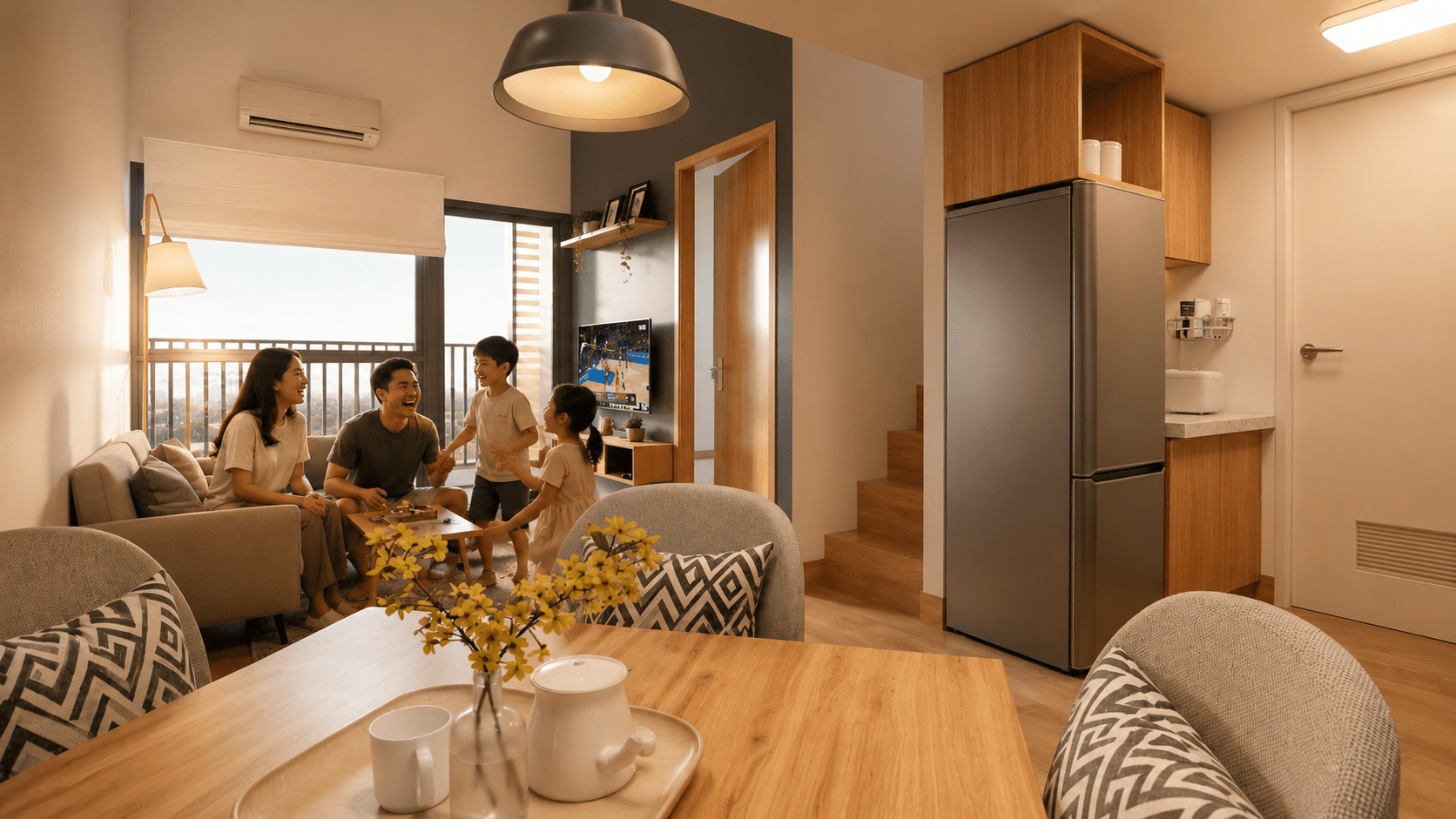
A home with proper wall insulation is not just more comfortable — it is safer. When the walls around you are not constantly absorbing and releasing heat, the entire living environment becomes easier on the body, especially for those most vulnerable to the effects of extreme heat.
Are Energy-Efficient Homes in the Philippines Worth the Cost?
This is the question most homebuyers ask, and it is a fair one. The upfront investment in better materials and construction technology is real — but so is the long-term return. Consider this: a typical Filipino household with an air conditioner running for 8 hours a day during summer months spends a significant amount on electricity. Reducing that run time by even two to three hours per day translates to thousands of pesos in savings per year. Over the life of a home loan, that adds up quickly.
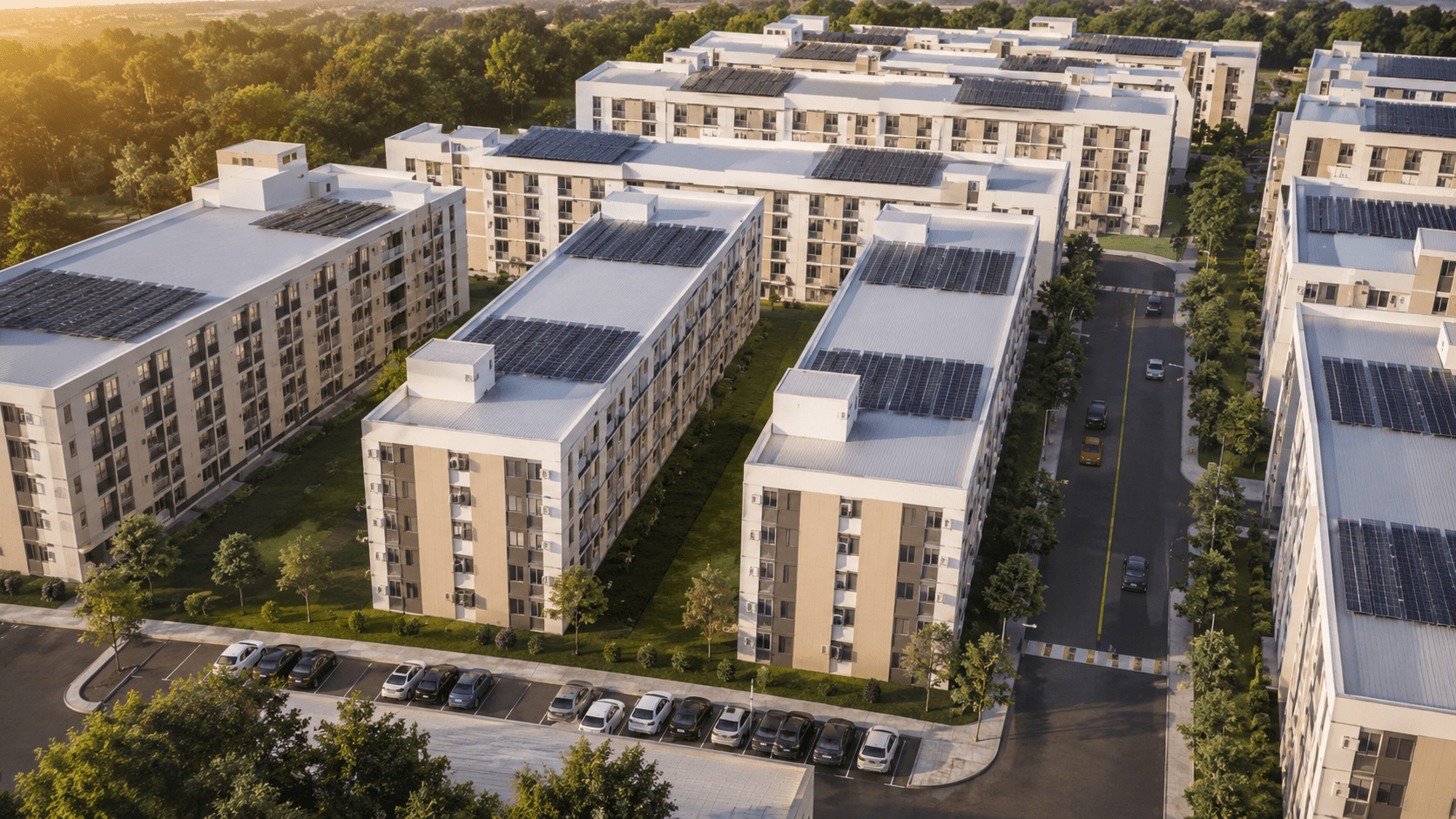
PH1 World Developers has already backed this up with action. The company secured funding specifically for its energy-efficient community offerings, reflecting real institutional confidence in the long-term value of building homes that cost less to live in. Projects like Northscapes San Jose del Monte were built as the first energy-efficient community in their area — proving that this is not just a marketing promise but something built into the structure of the development itself.
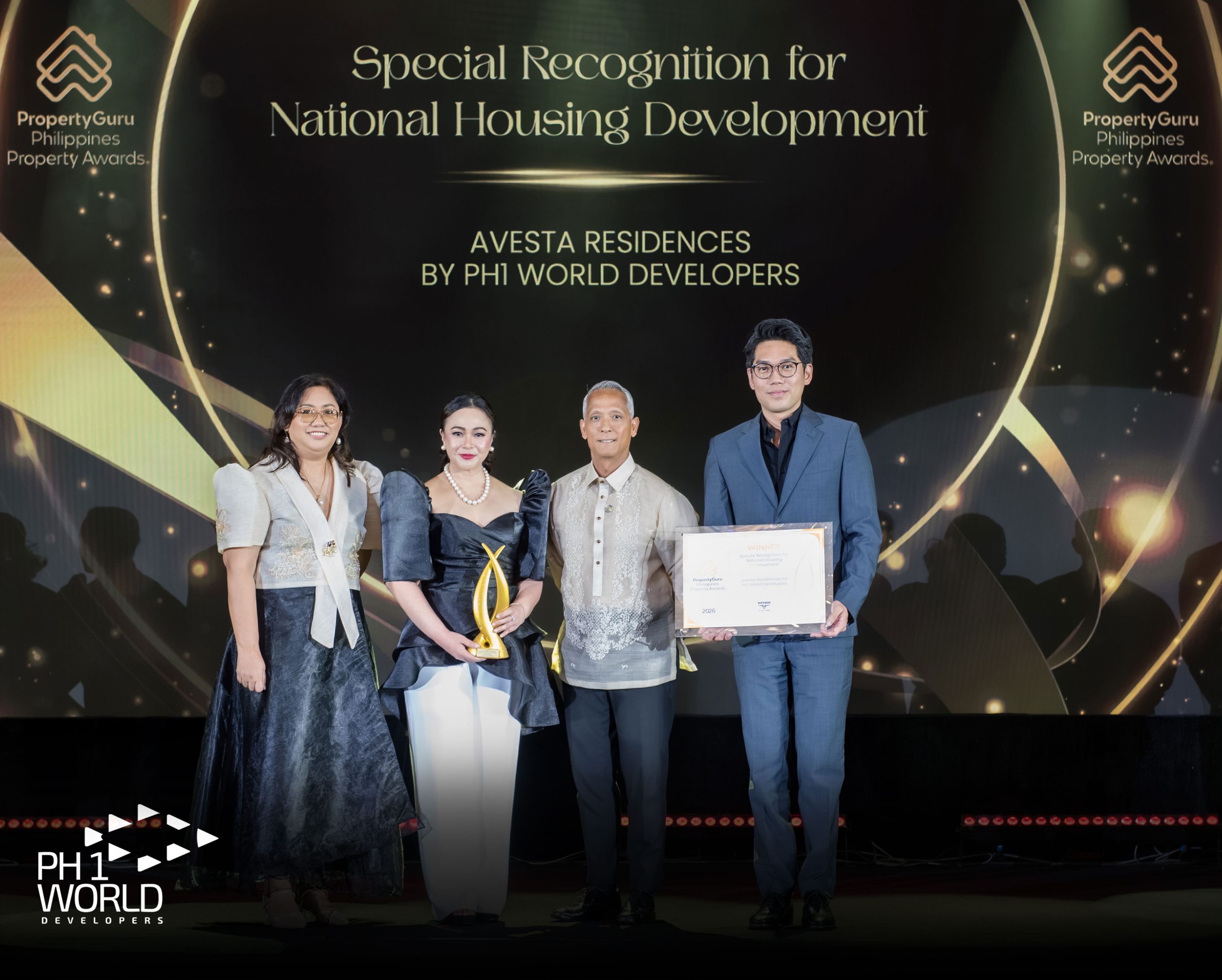
The recognition has followed. PH1 World Developers’ EDGE-certified homes in Bulacan have earned formal certification for their energy and environmental performance, giving buyers an independent, third-party confirmation that the efficiency claims are real — not just something printed on a brochure.
What Should Filipino Homebuyers Consider?
Thermal Comfort Should Be on Your Checklist
If you are buying or planning to buy a home in the Philippines, thermal comfort should be one of your priorities — not an afterthought. The good news is that finding out whether a development takes it seriously does not require a technical background. It just requires asking the right questions.
The Questions Worth Asking
Before committing to a property, find out:
- Does the development use a thermal wall system or standard hollow block construction?
- Is there a moisture barrier built into the wall design?
- Has the project received any energy efficiency certification?
- What are the estimated electricity savings compared to a standard unit?
What the Answers Tell You
These are not complicated questions, but they reveal a lot about how seriously a developer takes livable design. A developer who can answer them clearly and confidently is one who has actually thought about what it feels like to live in their homes — not just what they look like on a brochure.
The Bigger Picture: Properties for the Philippine Climate
The Philippine construction industry has long borrowed building standards from temperate countries — but our climate, our summers, and our humidity are a different story entirely. TropiCool represents a shift in how residential development can work here. It treats the heat and humidity of our environment not as problems to work around, but as conditions to design for. That is a meaningful difference for anyone who plans to actually live in a home for years, not just buy it as an investment.
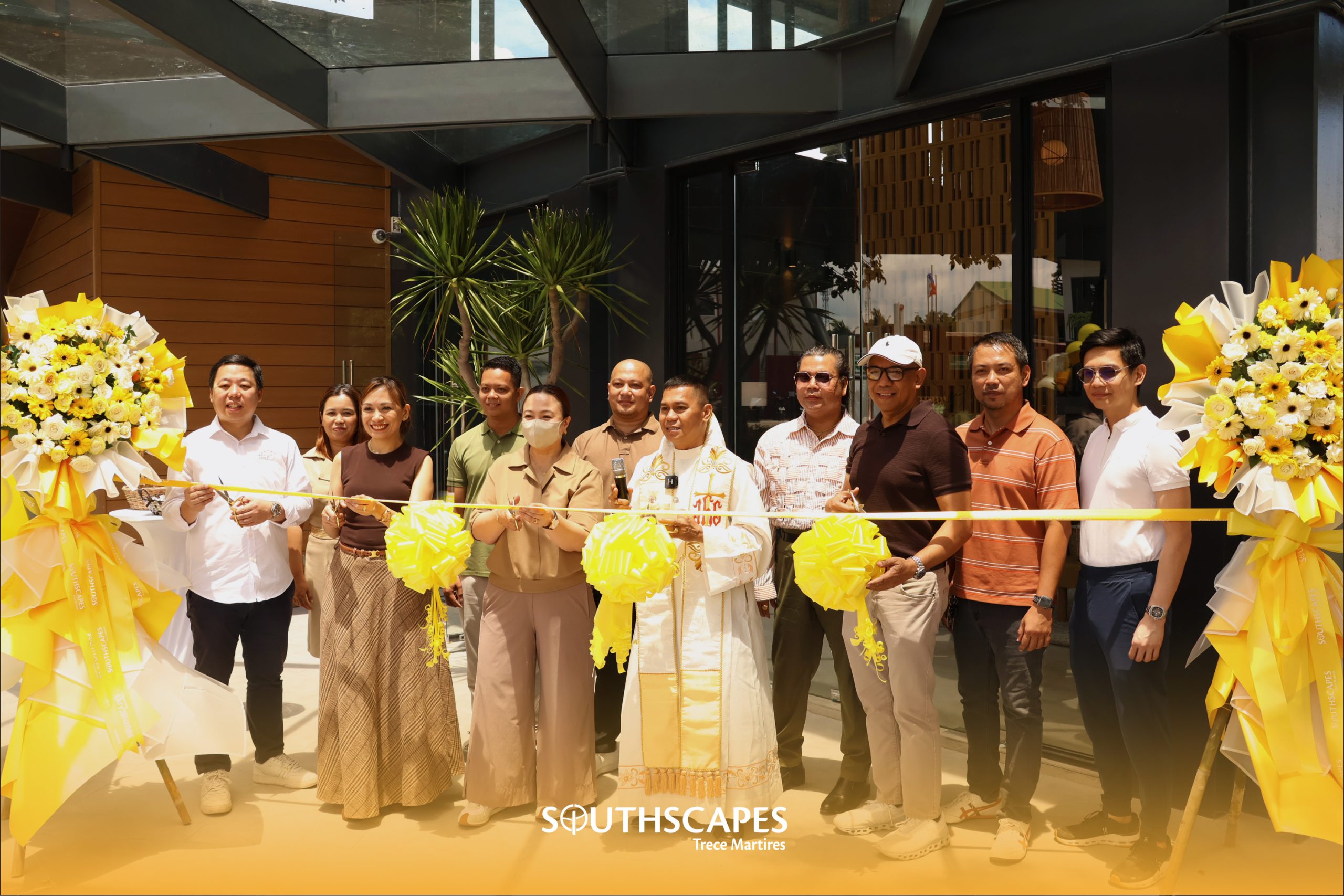
If you want a home that stays cooler, costs less to cool, and was built with the Philippine climate in mind from the ground up, explore what PH1 World Developers has to offer across our property developments. From Northscapes in Bulacan to Southscapes in Cavite, these communities are built with real thermal comfort — not just good-looking amenities.