Living in the Philippines means dealing with heat almost every single day. From March to May, temperatures can climb past 36°C in many parts of the country, and even outside of summer, the humidity alone makes indoor spaces feel like an oven. Most Filipino households rely on air conditioning to survive the heat, but that comes with a heavy cost on the monthly electricity bill.
This is where thermal wall insulation comes in. It is one of the most practical answers to the heat problem in Filipino homes today, and TropiCool is leading the way in making it available in local real estate developments. In fact, PH1 World Developers has already demonstrated this commitment — the company secured funding specifically for its first energy-efficient community offering, signaling that sustainable, heat-ready homes are no longer a luxury but a standard worth investing in. Understanding how this technology works and why it matters can help you make a smarter decision when buying or upgrading a home.
What Is Thermal Wall Insulation?
Thermal wall insulation is a material built into or applied to the walls of a home to slow down the transfer of heat. Think of it like a thermos bottle. The insulation layer keeps the heat outside from getting in, and keeps the cooler air inside from escaping.
Without it, the walls of your home absorb heat from the sun and slowly release it into your living space. This is called thermal mass transfer, and it is one of the main reasons homes feel hot even at night, long after the sun has gone down.
With proper wall insulation, less heat enters the home. Your aircon does not have to work as hard. The indoor temperature stays more manageable, even with less cooling running.
Why Does This Matter So Much in the Philippines?
The Philippines sits near the equator, which means direct and intense sunlight for most of the year. According to the Philippine Atmospheric, Geophysical and Astronomical Services Administration (PAGASA), the country regularly experiences heat index levels that exceed 40°C during the dry season. Cities like Metro Manila, Cebu, and Davao face this kind of heat across many months.
For most Filipino families, air conditioning already accounts for 40 to 60 percent of their total electricity consumption. The rising cost of electricity from distribution utilities like Meralco only makes this worse. When you live in a home that is not built for heat reduction, you are paying more every month just to stay comfortable.
This is why climate-smart housing in the Philippines is no longer just a luxury feature. It is becoming a basic need.
How Does TropiCool Work?
A System Built for the Tropics
TropiCool is a thermal wall insulation system designed specifically for the tropical climate in Southeast Asia. Unlike generic insulation products built for colder climates, TropiCool addresses the unique challenge of sustained heat and humidity that Filipino homeowners face year-round.
The Science Behind the Cool
It works by adding an insulating layer to the wall assembly of a home. This layer reduces the amount of heat that passes through the wall and into your living space — acting as a barrier that slows down heat transfer before it even reaches the interior of your home.
Less Aircon, Lower Bills
The result is a home that stays cooler naturally. You still need aircon, but you use it less often and at a less aggressive setting. Over time, this lowers your electricity consumption and reduces wear on your aircon unit, saving you money on both your monthly bill and long-term maintenance costs.
More Than Just a Coating
TropiCool is not just paint or a surface coating. It is a building system that works at the structural level of the wall, making it a long-term passive cooling solution rather than a quick fix. This distinction matters because it means the benefits are lasting, consistent, and built into the home itself — not something that fades or wears off over time.
What Is the Difference Between Passive and Active Cooling?
Active cooling means using machines to cool your home, like air conditioners and electric fans. These systems cost money to run and require maintenance.
Passive cooling means using the design of the building itself to stay cool without electricity. This includes proper ventilation, shading, roof overhangs, and wall insulation.
Thermal wall insulation is a passive cooling system. It does not need power to work. Once it is part of your walls, it quietly does its job around the clock. When you combine it with good ventilation design, the indoor temperature of your home can be several degrees lower than homes without insulation, even before you switch on a single appliance.
This matters most for energy-efficient home cooling because the less work your aircon needs to do, the less electricity you use.
How Much Can You Actually Save on Electricity?
The answer depends on the size of your home, how often you use aircon, and your local electricity rate. But independent energy studies on residential insulation in tropical climates consistently show that wall insulation can reduce cooling energy use by 20 to 40 percent.
In practical terms, if your household currently spends PHP 5,000 a month on electricity and half of that is aircon, insulation could reduce your aircon cost by PHP 500 to PHP 1,000 per month. Over a year, that is PHP 6,000 to PHP 12,000 in savings, and more as electricity rates continue to rise.
For Filipino families watching their budgets closely, that kind of aircon cost reduction is very meaningful.
Is Thermal Wall Insulation Worth It for a New Home?
Yes, especially when it is built into the home from the start rather than added later. Retrofitting insulation into an existing home is possible but more expensive and disruptive. When a developer includes it in the construction of a new home, the cost is spread across the entire project and absorbed into the purchase price at a far more efficient rate.
This is exactly what PH1 World Developers has done with TropiCool insulation in their residential communities. Rather than leaving homeowners to figure out energy efficiency on their own, the feature is already part of the home when you move in.
PH1 World Developers has shown a consistent commitment to this approach. The company secured funding for its first energy-efficient community offering back in 2024, making it the first developer to bring this level of climate-smart design to the affordable and mid-market housing segments in the Philippines.
Their Northscapes San Jose del Monte development was also recognized for its energy-efficient housing solutions, a milestone that shows the market is responding positively to homes designed for tropical heat protection.
What Makes a Home Truly Summer-Ready in the Philippines?
It Takes More Than Just Aircon
A summer-ready home needs more than a good aircon unit. It needs features that actually work together to keep the heat out before it even gets inside.
The Elements That Work Together
Thermal wall insulation is one piece of the puzzle. But it works best alongside other things like a roof with enough overhang to block the sun, windows placed to avoid direct heat exposure, good airflow throughout the house, and materials that don’t trap heat the way old-school concrete construction does.
When the Home Becomes the Cooling System
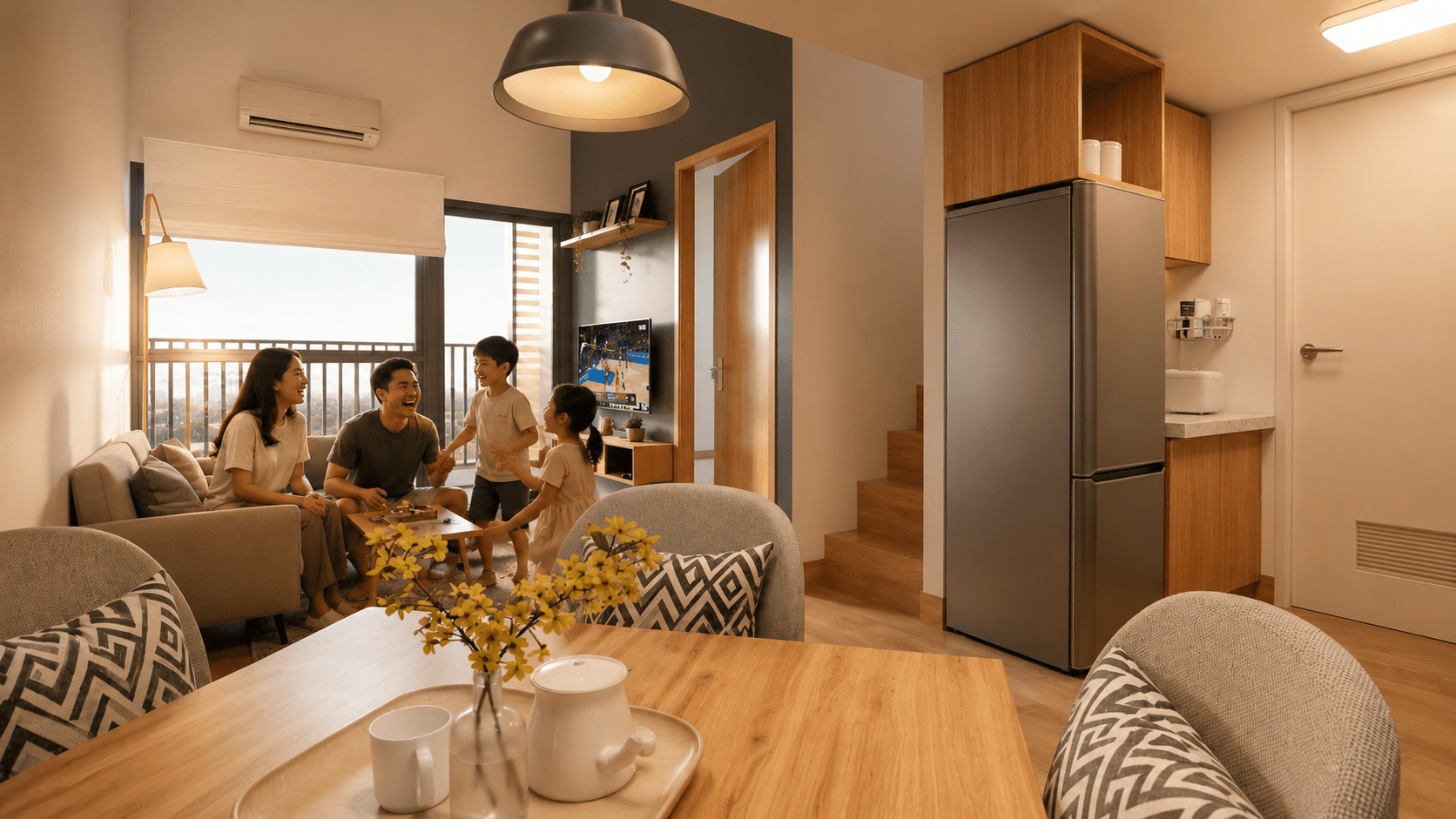
When all of this comes together, the house itself becomes part of the cooling system. You spend less on electricity, your aircon doesn’t have to work as hard, and the whole space just feels more livable — even on the hottest days.
What Climate-Smart Housing Really Means
This is what climate-smart housing in the Philippines looks like in practice. It is not just about solar panels or fancy gadgets. It is about building homes that are smart about the local climate from the ground up — homes designed with the local climate, heat, and humidity in mind at every stage of construction.
Why Are More Developers Starting to Take This Seriously?
The demand for energy-efficient homes in the Philippines has grown significantly in recent years. Buyers are more aware of their electricity costs and more concerned about long-term living expenses. At the same time, the Department of Energy and various green building groups in the country have been pushing for energy codes that encourage better insulation and thermal performance in residential buildings.
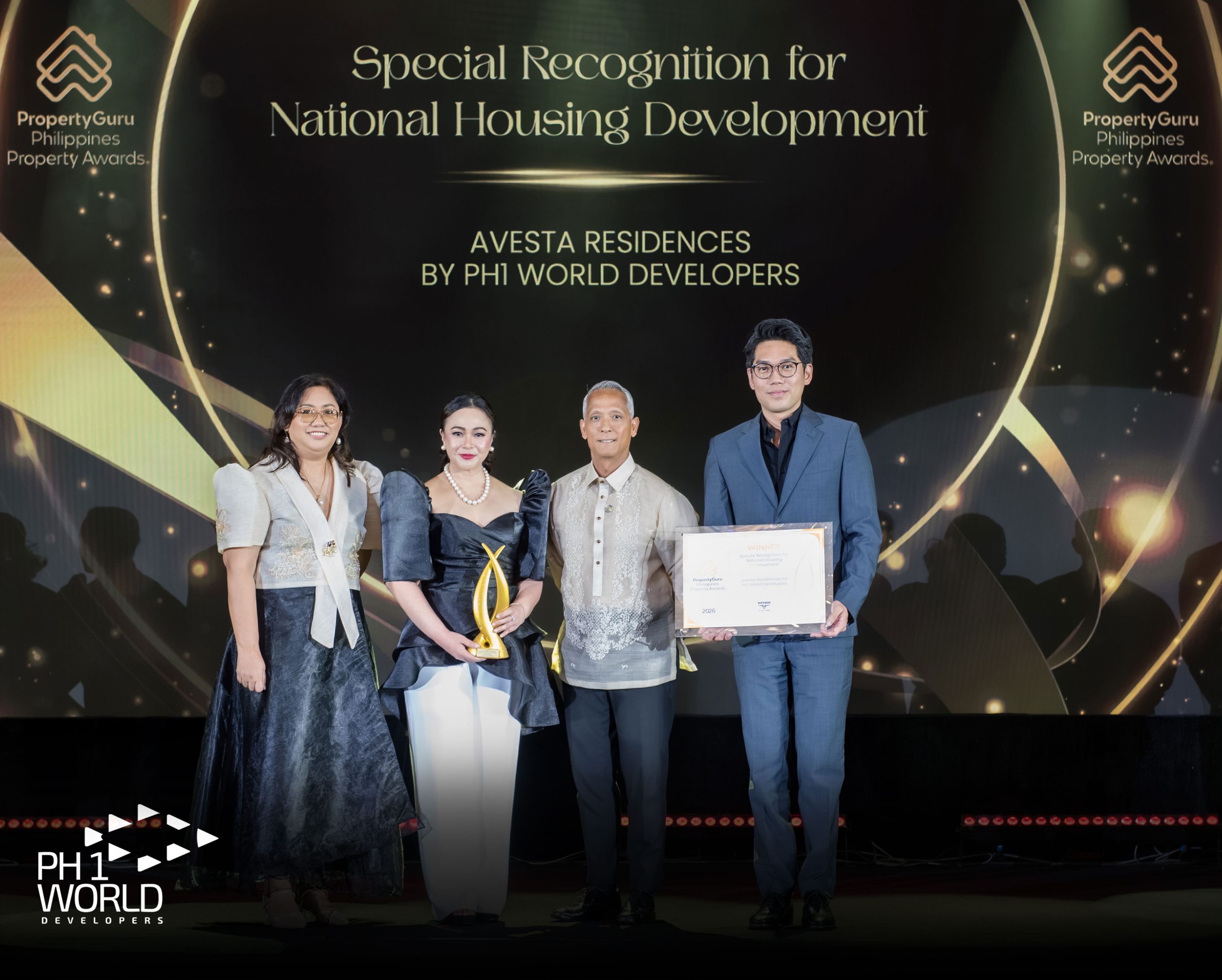
PH1 World Developers was among the first in the Philippines to take this seriously at scale. Their developments have earned recognition from PropertyGuru, Dot Property Philippines, and other award-giving bodies specifically for their forward-thinking approach to residential design. You can read more about how PH1 World Developers sets the standard for first-world living in the Philippines, including how their communities are designed to address real daily challenges like heat and high electricity bills.
Exploring TropiCool in PH1 World Developments
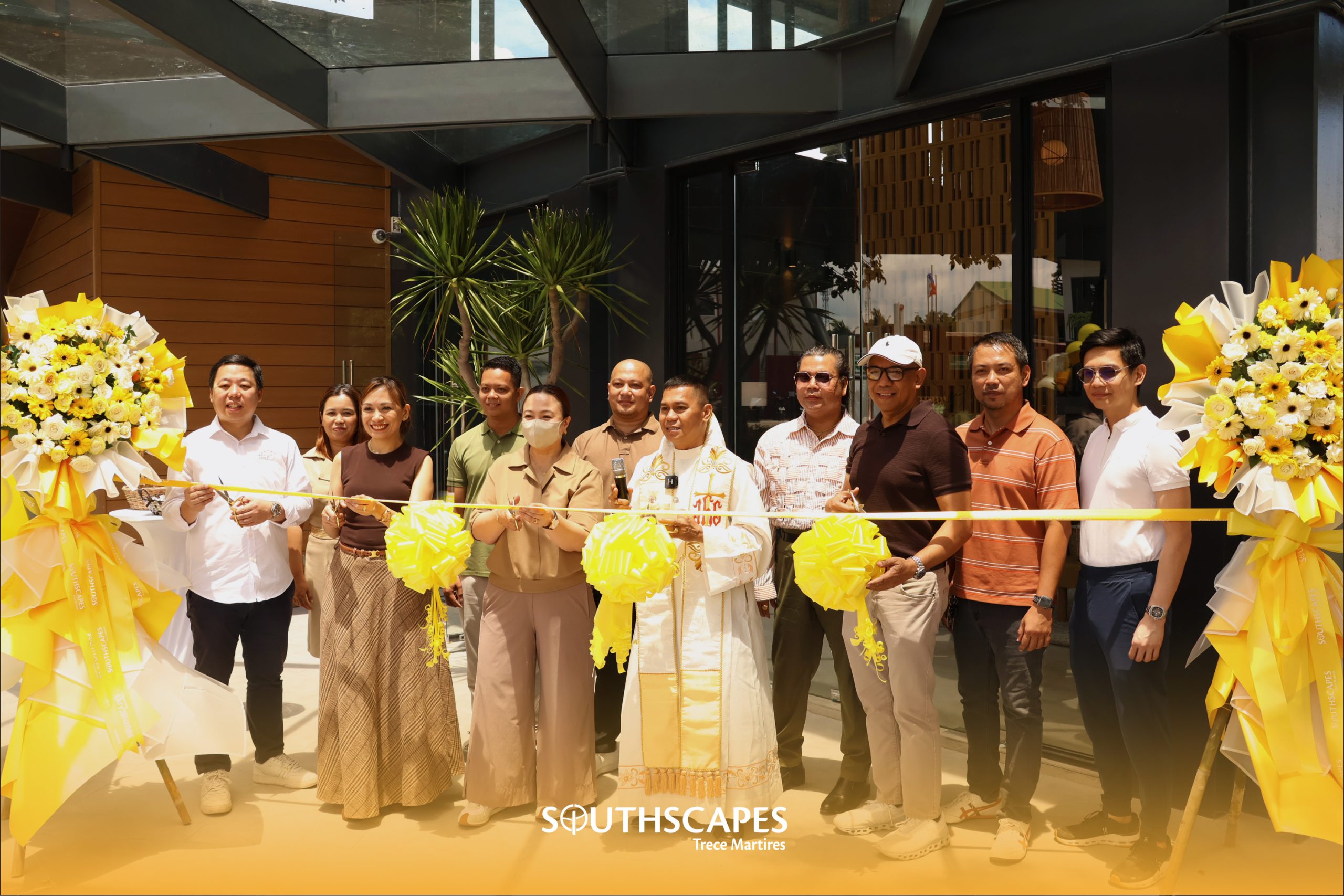
TropiCool thermal wall insulation is part of the energy-efficient building system that PH1 World Developers has been rolling out across its residential portfolio. Their horizontal communities, like Northscapes San Jose del Monte and Southscapes Trece Martires, are built with this kind of thermal protection in mind — giving residents a cooler, more comfortable home from day one without the heavy electricity bill to match.
The heat in the Philippines is not going away, but the way we build homes to handle it is getting smarter. If you are looking for a property designed for the Philippine climate, explore PH1 World Developers’ residential communities and find the development that fits your budget and lifestyle.