Community design is changing how Filipinos think about where they live. It is no longer just about having a roof over your head. Today, a good home is part of a well-planned neighborhood that makes daily life easier, safer, and more comfortable.
For many Filipino families, owning a home is one of life’s biggest goals. But what makes a home truly worth it? More and more buyers are looking beyond the unit itself. They want to know what kind of community they are moving into.
In this article, you will learn what smart community design means in the Philippine context, why it matters for homebuyers and investors, and what features to look for when choosing a development.
What Is Modern Community Design?
Smart community design is a way of designing residential areas so that everything works together. Roads, homes, green spaces, utilities, and shared amenities are all planned as one system — not as separate parts.
In the Philippines, this kind of planning has become more important as more people move from the province to urban and suburban areas. Metro Manila and nearby areas like Cavite, Bulacan, Laguna, and Rizal are seeing fast population growth. Without good planning, growth can lead to traffic, flooding, and overcrowded neighborhoods.
Developments built on disruptive innovations and forward-thinking design address these problems before they start—laying the foundation for First-World Living even within emerging urban areas.
Why Community Planning Matters in the Philippines
The Philippines faces real housing challenges. According to the Housing and Urban Development Coordinating Council (HUDCC), the country has a housing backlog of several million units. Many of these are needed by low- to middle-income families.
But the backlog is not just about numbers. It is also about quality. Many existing housing developments lack basic planning. Streets are too narrow. Drainage systems fail during the rainy season. There are no parks or open spaces for children to play.
Well-executed community design fixes this by putting people first. It asks: What does a family need to live well? The answer shapes everything — from road width to where the basketball court goes.
This is where developers like PH1 World Developers stand out. By integrating disruptive technology and innovative construction methods, they deliver communities designed for First-World Living—not just basic housing. Their recent 4.75-hectare residential project in Dasmariñas under the government’s 4PH program reflects this commitment to quality and forward-thinking design.
What Makes a Community Well-Planned?
You do not need high-tech gadgets for a community to be smart or effective. It starts with the basics done right —enhanced by thoughtful design and innovation.
- Good layout and road planning. A smart community has roads wide enough for emergency vehicles. Pedestrian paths are separate from vehicle lanes. Traffic flow is planned so there are no choke points.
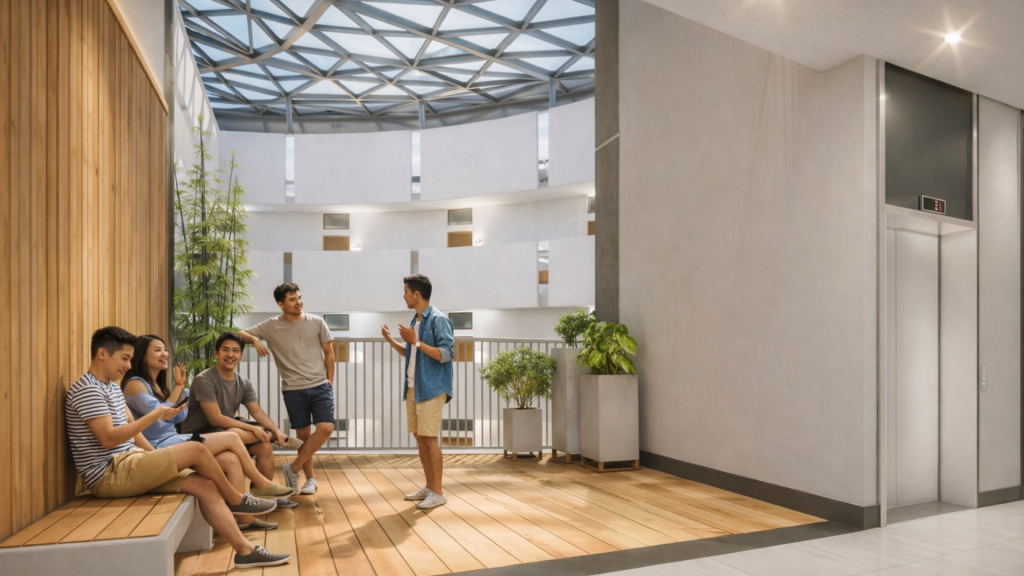
- Green spaces and open areas. Parks, gardens, and open courts give residents places to relax and socialize. Studies show that access to green space improves mental health and builds community bonds.
- Reliable utilities. Water supply, power, and internet connectivity are designed into the community from the start. This is especially important in areas prone to power interruptions or low water pressure.
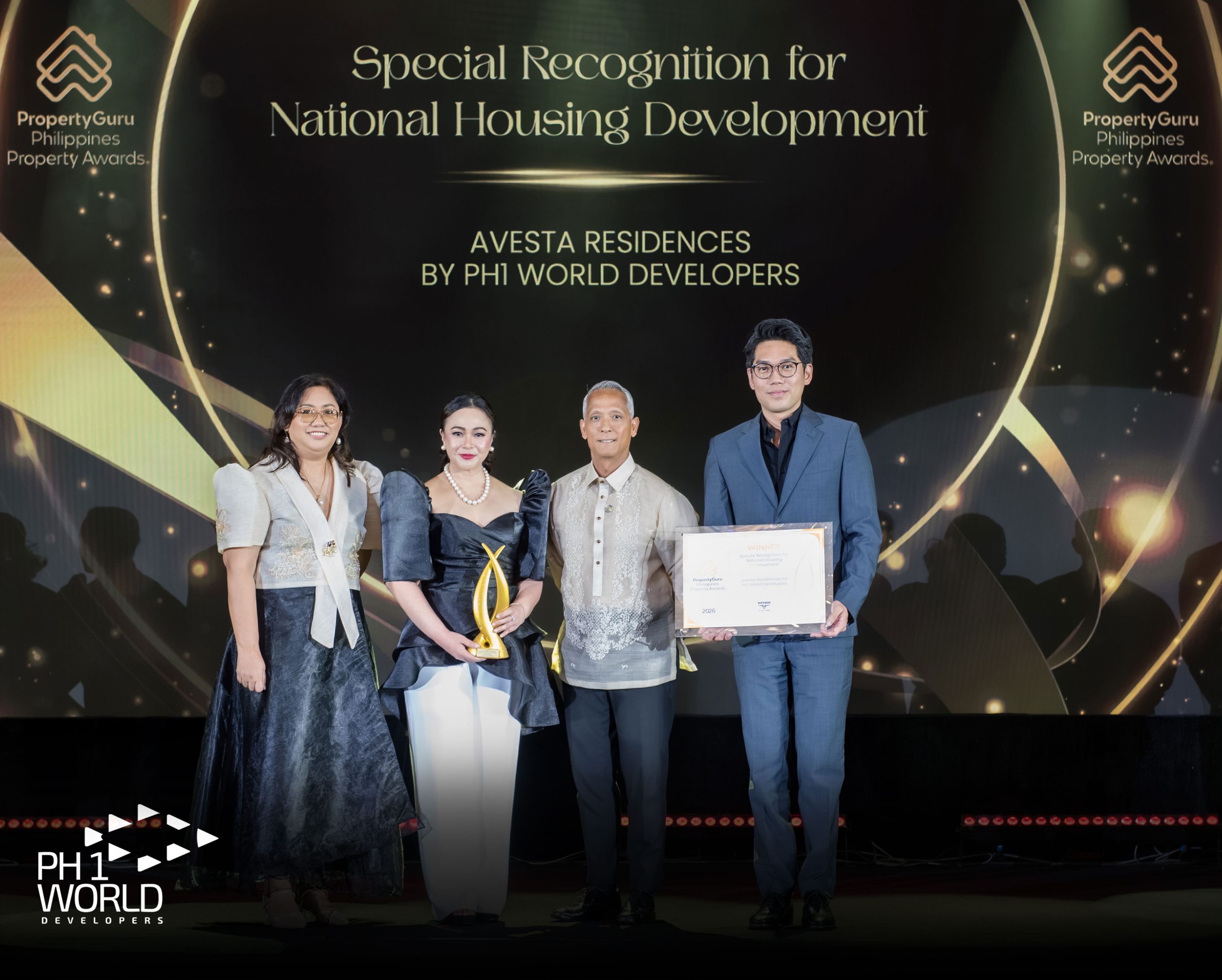
- Energy efficiency. Buildings and shared facilities are designed to use less energy. This saves money for homeowners in the long run and is better for the environment. PH1 World Developers has made this a priority — they were recognized for advancing sustainable living with EDGE-certified homes in Bulacan, showing that energy efficiency is achievable even in affordable housing.
- Safety and security. Well-lit streets, security checkpoints, and community visibility all make residents feel safe. Good design reduces crime because there are fewer dark corners and more “eyes on the street.”
How Does Community Planning Affect Property Value?
This is a question a lot of buyers ask, and the answer is straightforward: well-planned communities hold their value better. When a community has good drainage, clean common areas, working amenities, and a strong homeowners association, property values tend to go up over time. When planning is poor, values can stagnate or even fall.
For investors, this makes smart community design a key factor. A unit in a well-planned development is not just a home — it is a long-term asset.
For end-users, it means peace of mind. You are not just buying a condo or a house. You are investing in a higher standard of living aligned with First-World expectations.
What Should Filipino Homebuyers Look For?
When evaluating a property, here are practical questions to ask:
- Is the flood risk assessed? Ask the developer if a drainage master plan exists. In the Philippines, flooding is a serious concern. A smart community accounts for this with proper drainage, elevated ground, and retention areas.
- Are amenities shared or sold separately? Some developments advertise amenities but charge extra for access. A well-planned community includes usable amenities as part of the package.
- Is the community walkable? Can residents walk to a convenience store, a park, or a community hall without crossing a busy highway? Walkability is a sign of good planning.
- What is the homeowners association like? A strong HOA means the community will be maintained over time. Poor HOA governance is one of the biggest complaints in older Philippine subdivisions.
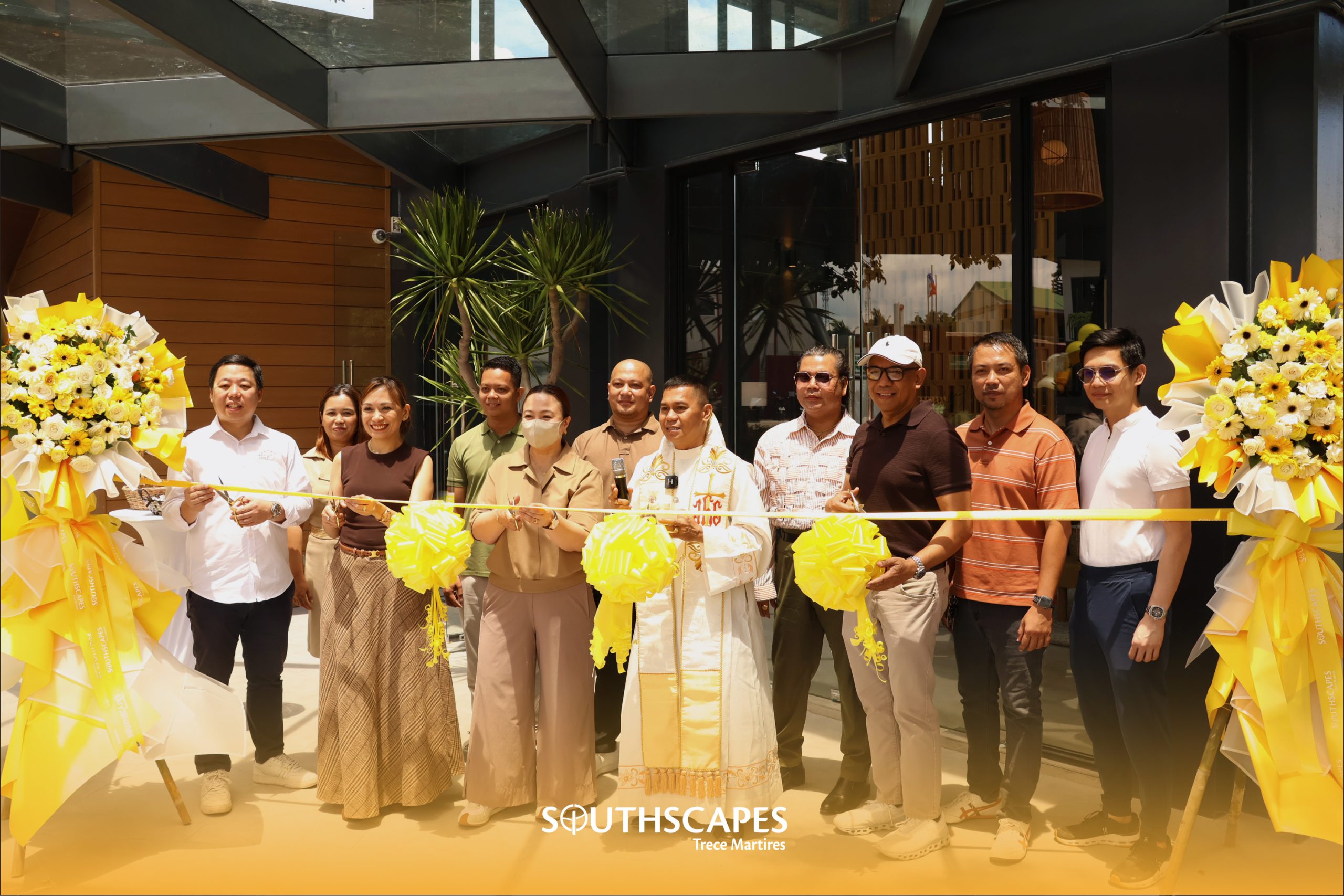
- Does the developer have a good track record? Look at their finished projects. PH1 World Developers, for example, lit up their Northscapes SJDM community with brand-new amenities — showing ongoing commitment after units are sold.
How Is the Government Supporting Smart Housing?
The Philippine government’s 4PH (Pambansang Pabahay Para sa Pilipino) program is one of the biggest housing initiatives the country has seen. It aims to build millions of homes for Filipinos across different income brackets.
The program works with private developers to build communities that are not just affordable but also well-located and properly planned. The government provides land and financing support, while developers contribute construction expertise and design.
This partnership proves that First-World Living is achievable through the right mix of planning, policy, and disruptive construction technology. Innovations such as precast systems allow developers to build faster, more efficiently, and at a lower cost—without compromising quality.
Find Your First-World Home with PH1 World Developers
PH1 World Developers builds exactly that. From EDGE-certified horizontal communities in Bulacan and Cavite to modern vertical developments across Metro Manila, each PH1 project is planned and built with your family’s comfort, safety, and future in mind.
By combining disruptive innovations, advanced construction technology, and thoughtful community planning, PH1 delivers homes that go beyond expectations—making First-World Living accessible to more Filipinos.
Whether you are a first-time homebuyer, an OFW investing for your family, or someone looking to upgrade your lifestyle, PH1 World Developers offers a place where you can truly thrive.
Explore PH1 World Developers’ properties and take the first step toward your first-world home today!