Energy-efficient housing is no longer just a trend for wealthy countries. Right here in the Philippines, more families are choosing homes that are built to use less electricity, stay cooler naturally, and cost less to maintain over time. With electricity rates in the country among the highest in Southeast Asia, it is easy to see why this type of housing is gaining serious attention.
Understanding energy efficiency in housing matters because it affects how much you spend every month, how comfortable your family feels at home, and even how healthy your living space is. For Filipino families who work hard for every peso, a home that saves on utility costs is not just a nice bonus — it is a practical and important choice.
In this article, you will learn what makes a home energy efficient, the real benefits it brings to Filipino households, and why this kind of housing is worth considering when you are thinking about buying or investing in property.
What Makes a Home Energy-Efficient?
An energy-efficient home is designed to use as little energy as possible without sacrificing comfort. This is done through smart design choices, quality building materials, and the right technology. In the Philippine context, this often means homes that are built to deal with the country’s hot and humid climate.
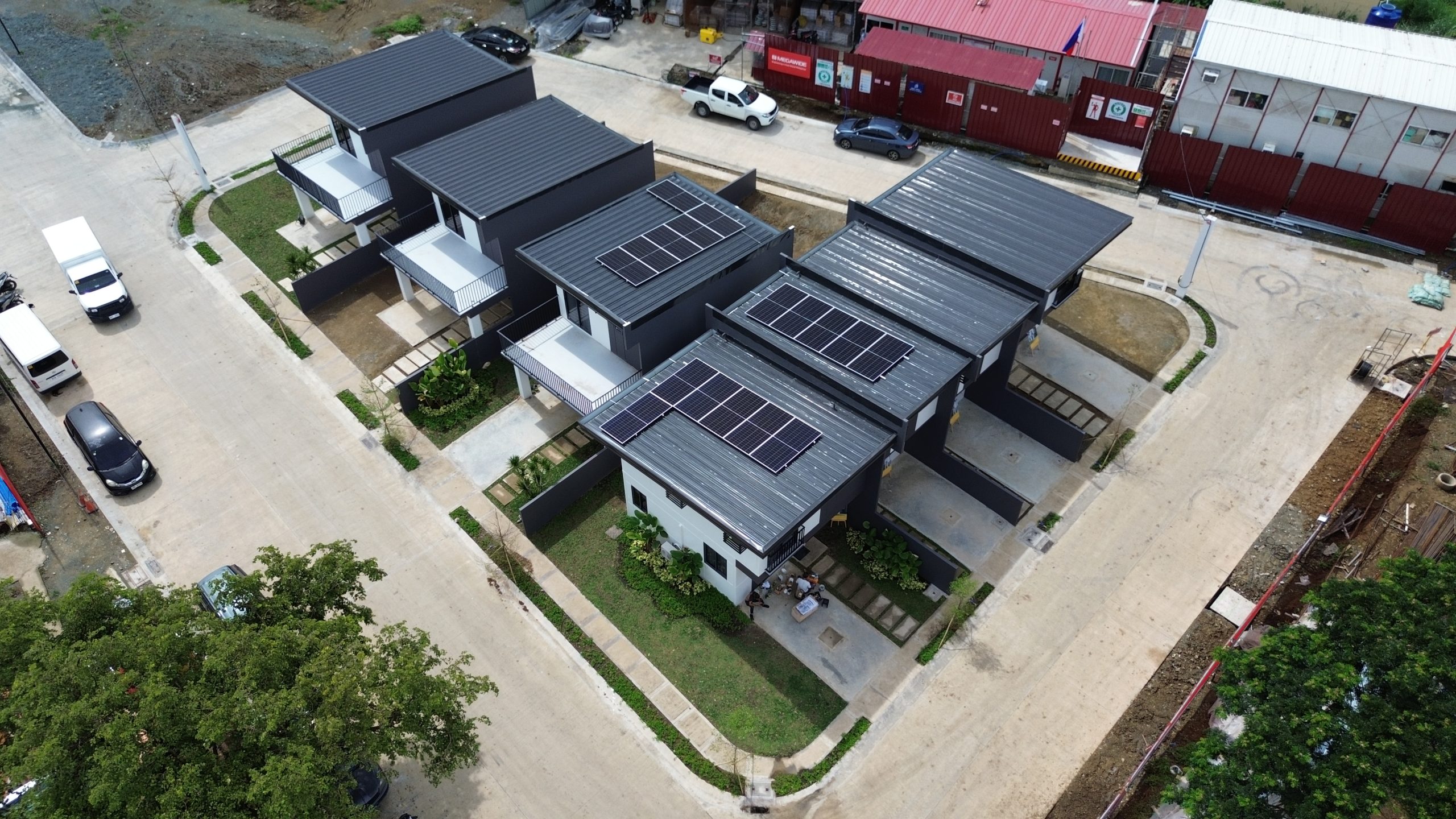
Some features commonly found in energy-efficient homes include proper insulation, good ventilation systems, energy-saving lighting such as LED fixtures, solar panels, and windows that reduce heat gain. The orientation of the house also matters. A well-positioned home can take advantage of natural light and airflow, which reduces the need for air conditioning and artificial lighting throughout the day.
The Philippine government and several private developers have started recognizing this. The EDGE (Excellence in Design for Greater Efficiencies) certification, for example, is an internationally recognized standard that measures a building’s efficiency in energy, water, and materials. Several housing projects in the country have already earned this certification, including those in Bulacan. PH1 WD advances sustainable living with EDGE-certified homes in Bulacan, showing how energy efficiency is becoming a standard for new residential developments.
How Does Energy-Efficient Housing Save Filipino Families Money?
This is the question most homebuyers ask first, and for good reason. The Philippines consistently ranks among the countries with the most expensive electricity in Asia. According to data from Meralco, the average residential electricity rate in Metro Manila has been rising year after year. For a typical Filipino household that relies heavily on electric fans, air conditioning units, refrigerators, and other appliances, the monthly electric bill can be a significant financial burden.
An energy-efficient home directly reduces this burden. When a home has good natural ventilation, thicker walls with insulating properties, and strategic window placement, it stays cooler during the day without the constant need for air conditioning. This alone can cut a family’s electricity consumption by 20 to 30 percent or more, depending on the design.
Over the lifespan of a home, these savings add up significantly. A family saving PHP 2,000 to PHP 3,000 per month on electricity will accumulate PHP 24,000 to PHP 36,000 in savings in just one year. Over ten years, that is anywhere from PHP 240,000 to PHP 360,000 that stays in the family’s pocket instead of going to utility bills.
Beyond electricity, energy-efficient homes also tend to use water more wisely. Water-saving fixtures and rainwater collection systems, when included in a housing development, reduce water bills as well. This double benefit makes energy-efficient housing a genuinely sound financial decision for Filipino families.
What Are the Health Benefits of Living in an Energy-Efficient Home?
Many people focus on the financial side but overlook the health benefits, which are just as important. A well-designed, energy-efficient home is also a healthier home.
Good ventilation is central to energy efficiency, and it also keeps indoor air clean and fresh. Poor ventilation is one of the main causes of mold growth, which is a serious problem in the Philippines due to the country’s high humidity levels. Mold and dampness are linked to respiratory problems, allergies, and other health conditions that disproportionately affect children and the elderly.
Proper insulation and ventilation also mean more stable indoor temperatures. Instead of swinging between very hot and very cool depending on whether the air conditioning is running, the home maintains a more consistent temperature. This is gentler on the body and leads to better sleep, less fatigue, and overall improved well-being for the whole family.
Natural lighting, another component of energy-efficient design, also contributes to mental health. Homes that are designed to let in natural sunlight while blocking direct heat create bright, cheerful interiors that are good for mood and productivity, especially important now that many Filipinos work or study from home.
Is Energy-Efficient Housing Good for the Environment in the Philippines?
Yes, and this is something many Filipino families are starting to care about more deeply. The Philippines is one of the most climate-vulnerable nations in the world. Typhoons, flooding, rising sea levels, and extreme heat are realities that Filipinos already live with. Every household that reduces its energy consumption contributes, even in a small way, to lowering the country’s carbon footprint.
Residential buildings account for a large share of total electricity consumption in the Philippines. The Department of Energy has consistently pointed to the residential sector as a key area for energy conservation. When developers build homes that are inherently more efficient, and when families choose to live in them, the collective impact on energy demand is meaningful.
This is not just about being “green” in an abstract sense. It is about protecting the country, its coastlines, its agricultural land, and its communities from the worsening effects of climate change. Choosing an energy-efficient home is one of the most practical ways a Filipino family can contribute to national climate goals while also benefiting themselves directly.
The news about PH1 World Developers setting the stage as the first EE Community in San Jose Del Monte, Bulacan highlights how private developers are already taking the lead in building communities that are better for both residents and the environment.
What Should Filipino Families Look for When Buying an Energy-Efficient Home?
Not all homes marketed as “green” or “eco-friendly” deliver the same results. Here are some practical things to look for when evaluating whether a home is truly energy-efficient.
First, check if the development or the building has a recognized certification such as EDGE, LEED, or BERDE (Building for Ecologically Responsive Design Excellence), which is the Philippine Green Building Council’s own rating system. These certifications mean the design has been independently verified.
Second, ask about the building orientation and ventilation design. A good developer will be able to explain how the building was positioned to take advantage of natural airflow and minimize solar heat gain. For Philippine conditions, cross-ventilation is especially valuable.
Third, look at the materials used. Thermal insulating materials in the roof and walls, double-glazed or reflective windows, and quality waterproofing all contribute to energy efficiency and long-term durability.
Finally, check what energy-saving features come standard in the unit, such as LED lighting, energy-rated appliances, if included, and whether the development has solar panels or a plan to add them.
Northscapes SJDM Lights Up with Brand-New Amenities is an example of how PH1 World Developers continues to build communities with features that improve residents’ daily quality of life, including elements designed to keep operating costs manageable.
Why Energy-Efficient Housing Matters More Than Ever for Filipino Families
The rising cost of living, the growing threat of climate change, and the increasing availability of quality energy-efficient homes in the Philippines all point in the same direction. Choosing an energy-efficient home today is one of the smartest decisions a Filipino family can make for their finances, their health, and their future.
It is a home that costs less to run, is more comfortable to live in, and holds its value better over time. For a country that faces both economic pressures and environmental challenges, this kind of housing is not a luxury — it is the logical next step for Filipino homeownership.
If you are looking for a home that is built with these principles in mind, PH1 World Developers offers a range of residential developments designed to deliver first-world quality and energy-efficient living for Filipino families. Browse their property listings today and find the home that works best for your family.