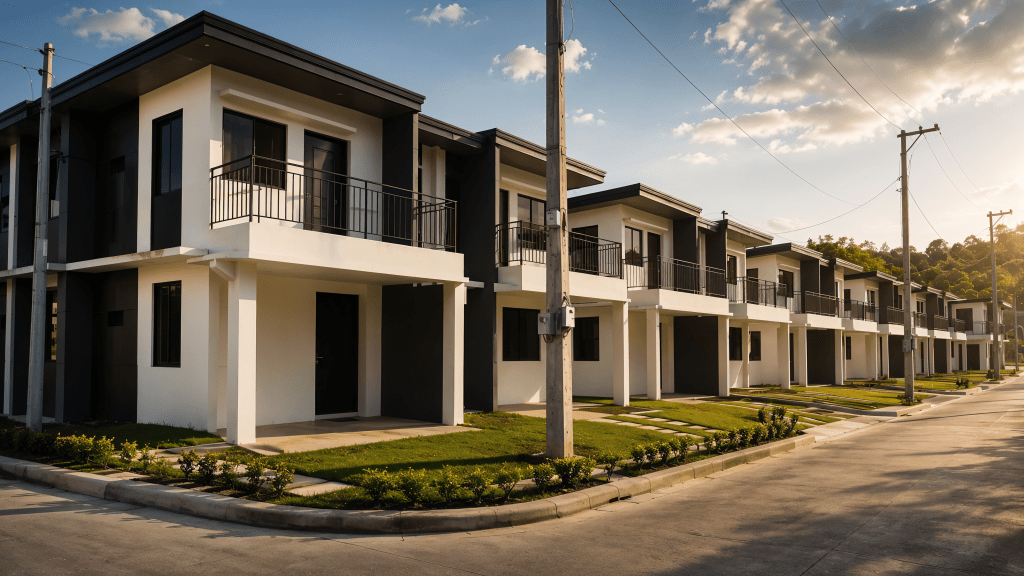
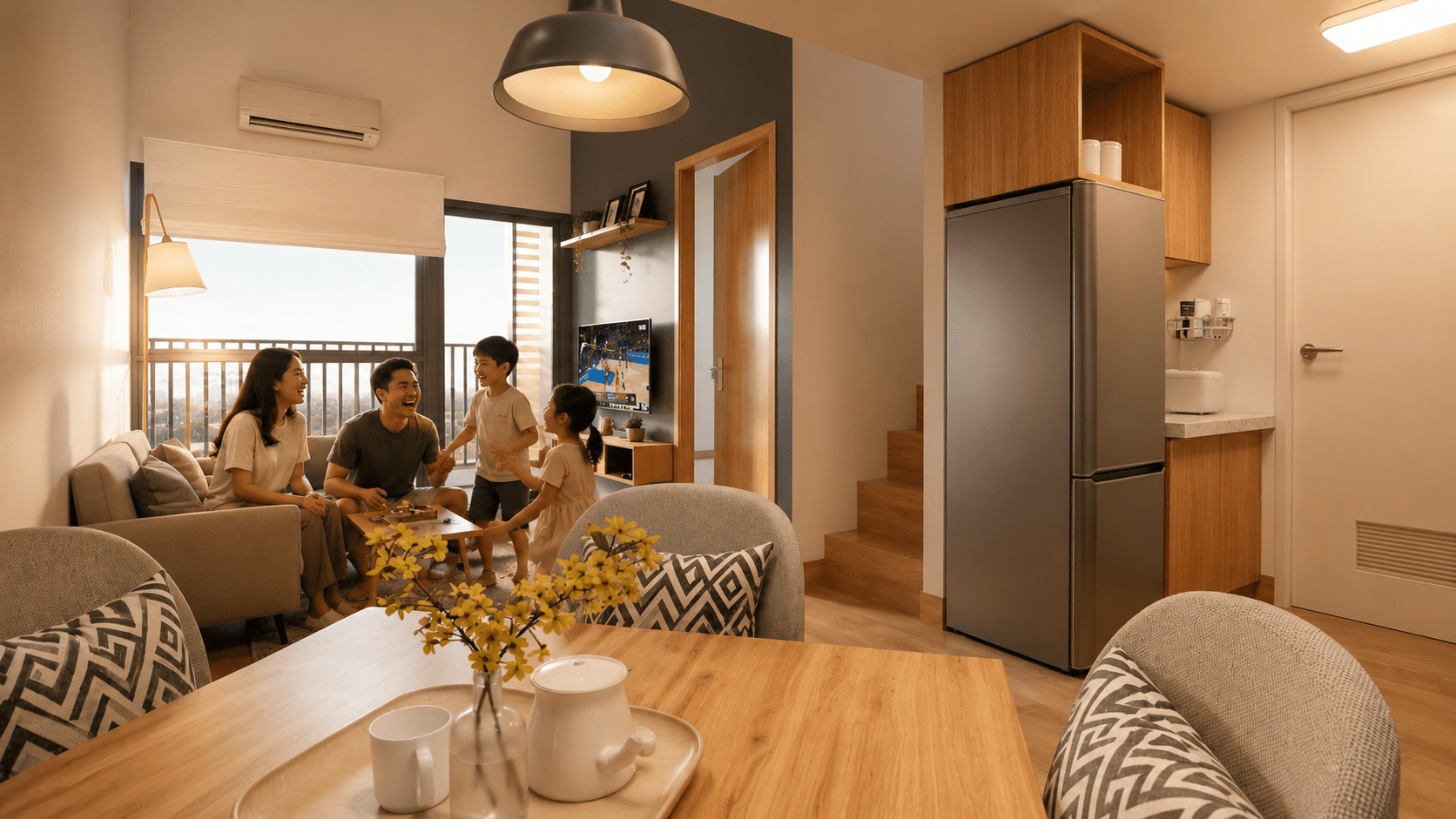
Add-Loft Technology extra space at no extra cost

Add-Loft Technology in Condominiums: Extra Space at No Extra Cost

Add-Loft Technology extra space at no extra cost

If you have ever looked at a condo unit and thought, “This feels too small for everything I need,” you are not alone. Space remains one of the biggest concerns for condo buyers in the Philippines today, especially with the rising property prices across Metro Manila and nearby cities. 

This is exactly where PH1 World Developers’ Add-Loft Technology stands out—offering a smarter solution by giving homeowners extra living space at no extra cost.

What Is Add-Loft Technology in Condominiums?

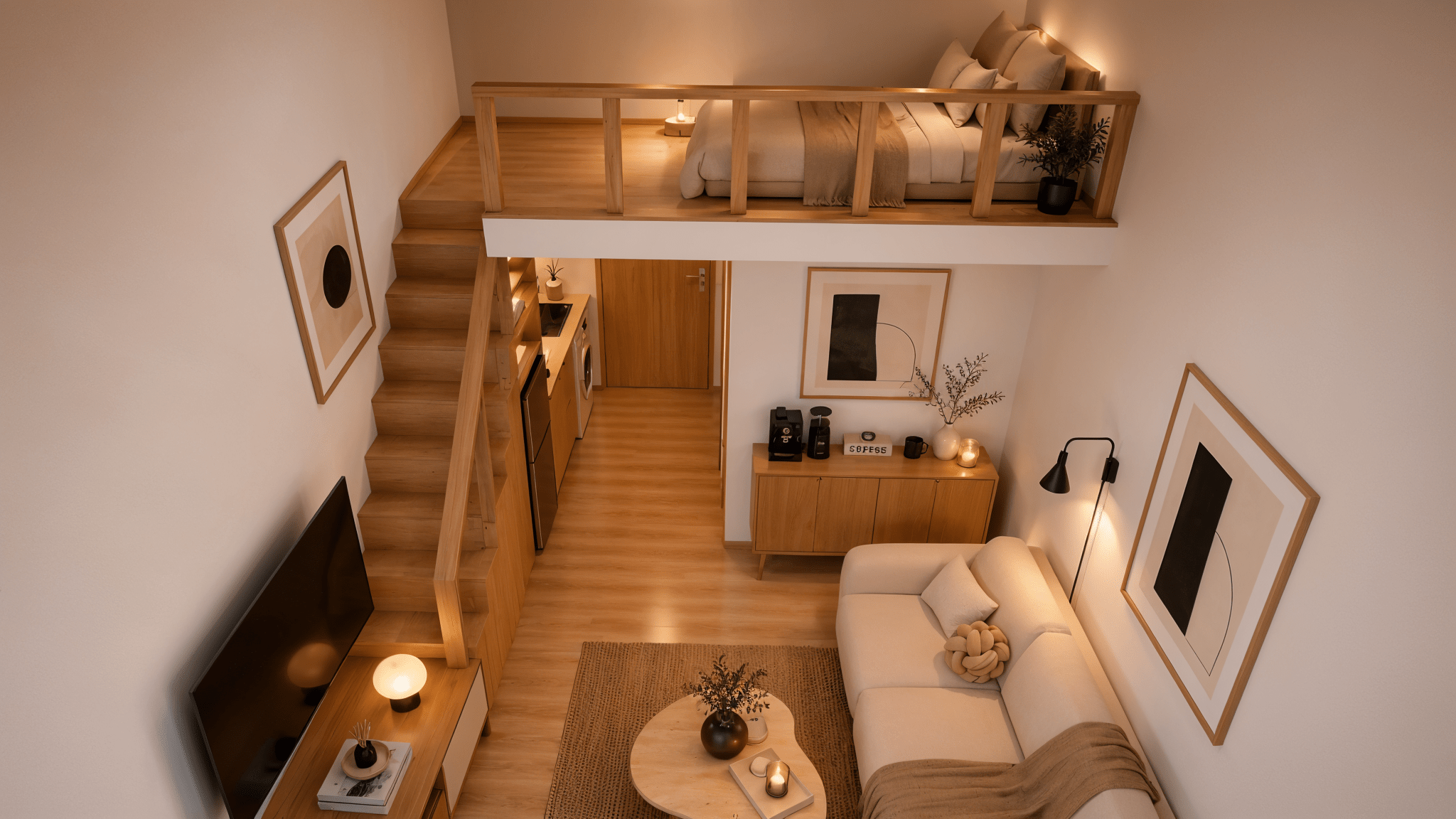
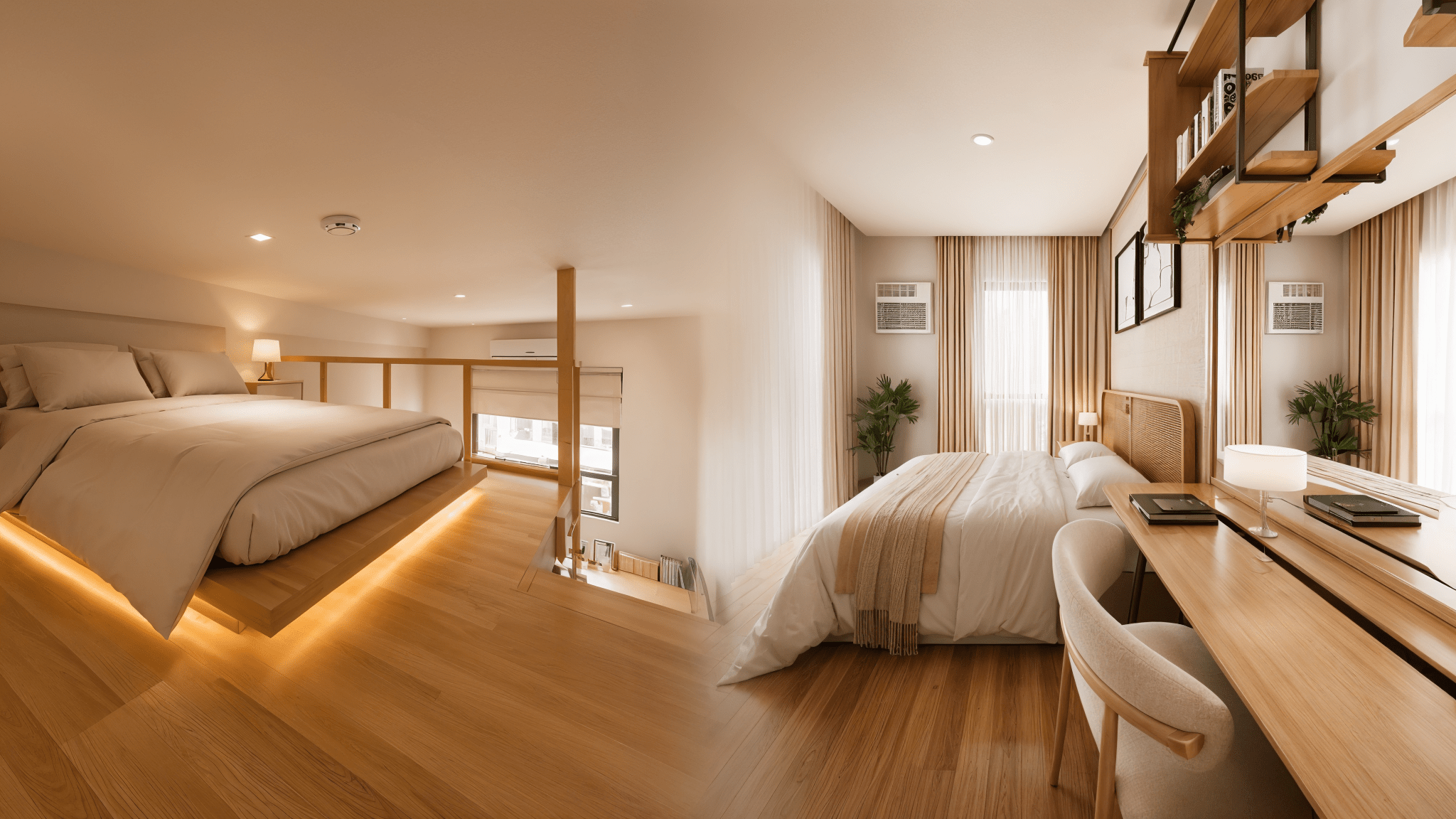
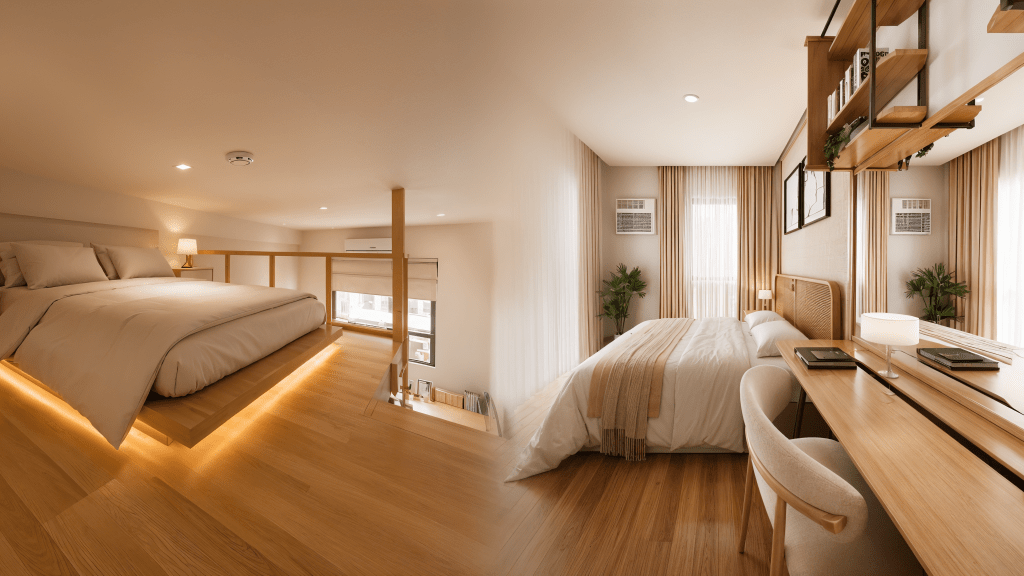
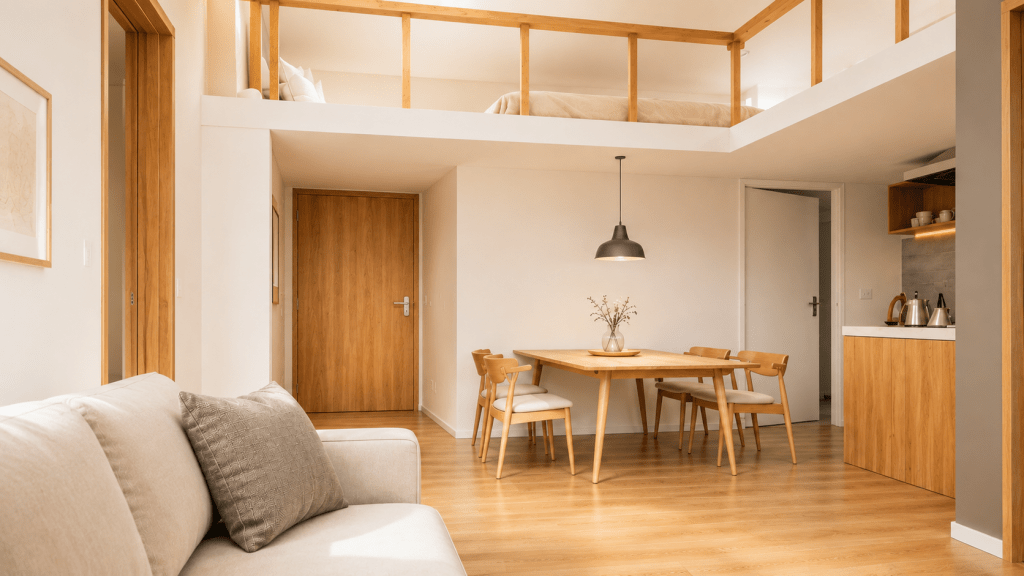
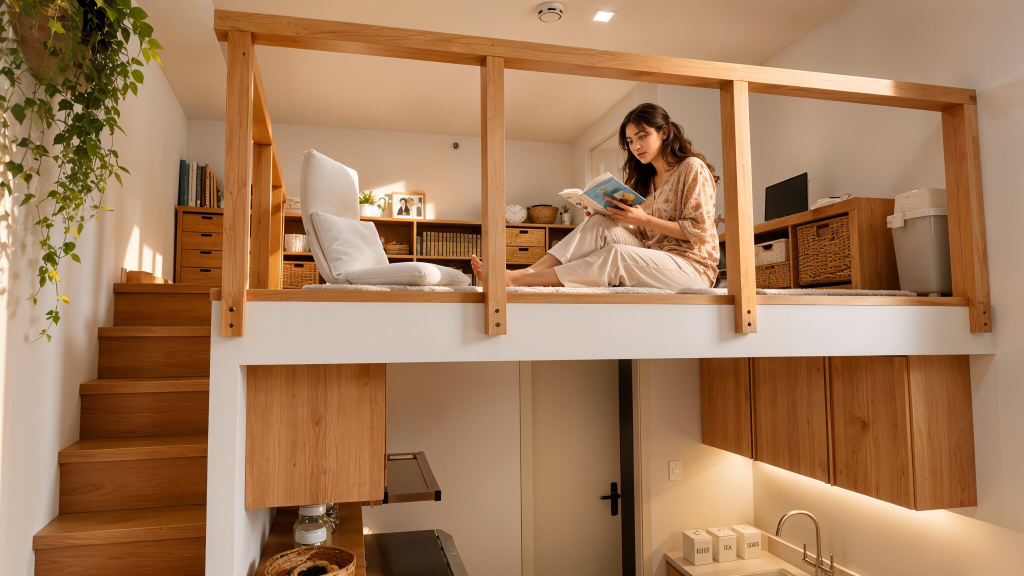
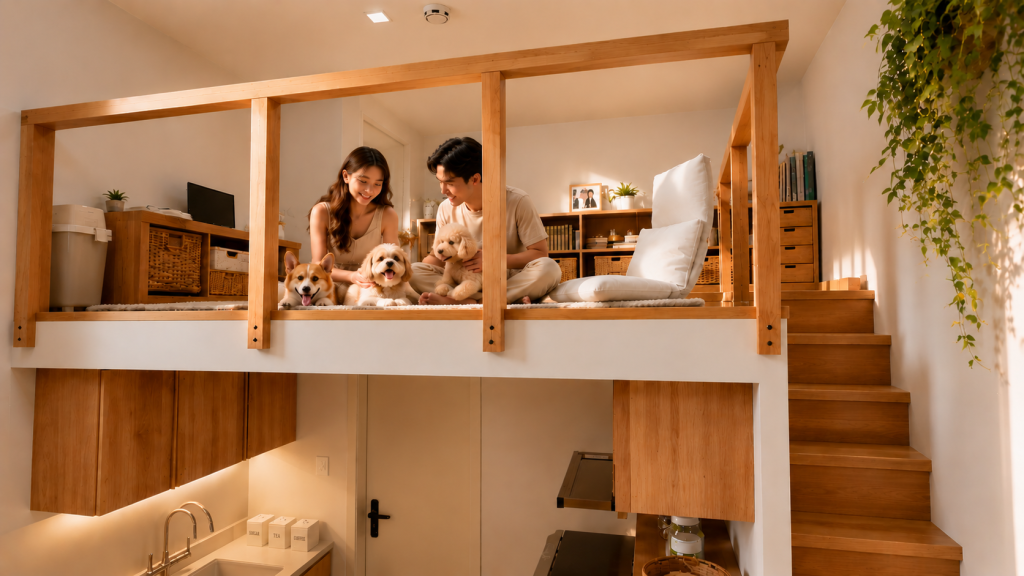
A loft, in real estate terms, is a raised area within a unit that functions as an additional level of space. With PH1’s Add-Loft Technology, this second level is not an afterthought—it is built into the unit’s original design.

Unlike standard units, PH1 developments are designed vertically from the start, allowing residents to enjoy a functional upper level while maintaining a comfortable living area below. This thoughtful approach transforms compact spaces into multi-functional homes—without increasing the unit’s base price.

In simple terms, buyers get more usable space without paying for a larger unit footprint.

Why Add-Loft Technology Is Gaining Popularity in the Philippines?

The Philippine urban population has been growing steadily. According to the Philippine Statistics Authority, more Filipinos are living in urban areas, and cities like Manila, Quezon City, Pasig, and nearby suburban zones like Cavite and Bulacan are seeing strong demand for housing.

As urban populations grow and unit sizes become more compact, developers face the challenge of maximizing space efficiently. At the same time, modern lifestyles—especially work-from-home setups—require more flexibility at home.

PH1 World Developers addresses both needs through Add-Loft Technology, giving residents:

  • A dedicated workspace 
  • A separate sleeping area 
  • Or additional storage—all within the same unit

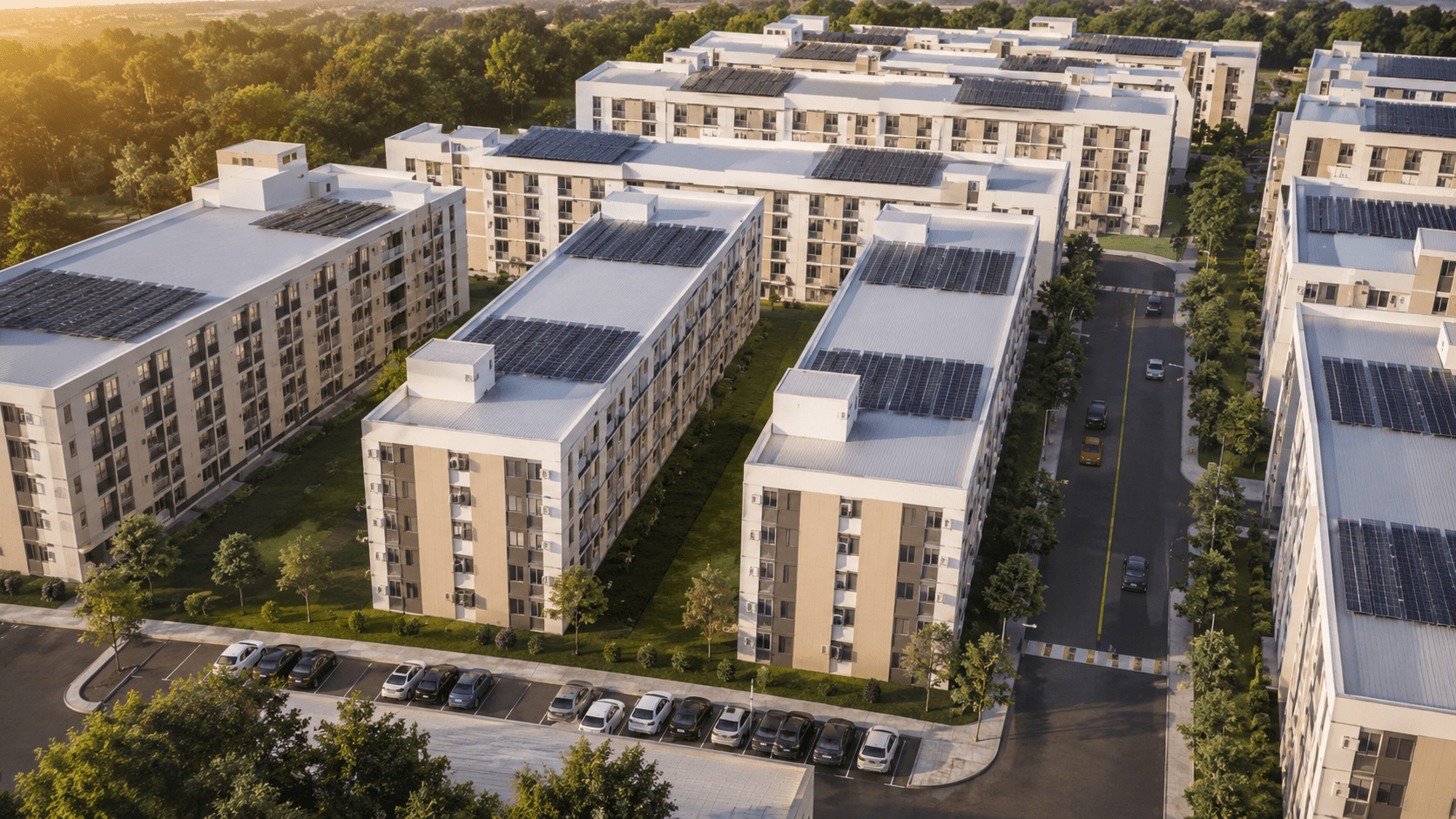
PH1 World Developers’ loft-type developments, including My Enso Lofts, which was named “Best Loft-Type Condominium” by Dot Property Philippines, and Modan Lofts Ortigas Hills, which recently topped off in Taytay City, show how this design is being applied in real estate projects across the Philippines. What’s even more exciting is that these developments offer extra space at no extra cost!

Key Benefits of Add-Loft Technology

You Get More Usable Space Without a Bigger Unit

The most straightforward benefit is more space. A standard condo unit might offer 20 to 30 square meters of floor area. With a loft, you effectively gain another 10 to 15 square meters of usable space above. That additional level can be used for sleeping, studying, or storage.

For a single young professional or a couple, this extra space can be the difference between feeling comfortable at home and feeling constantly cramped.

It Makes the Unit More Flexible

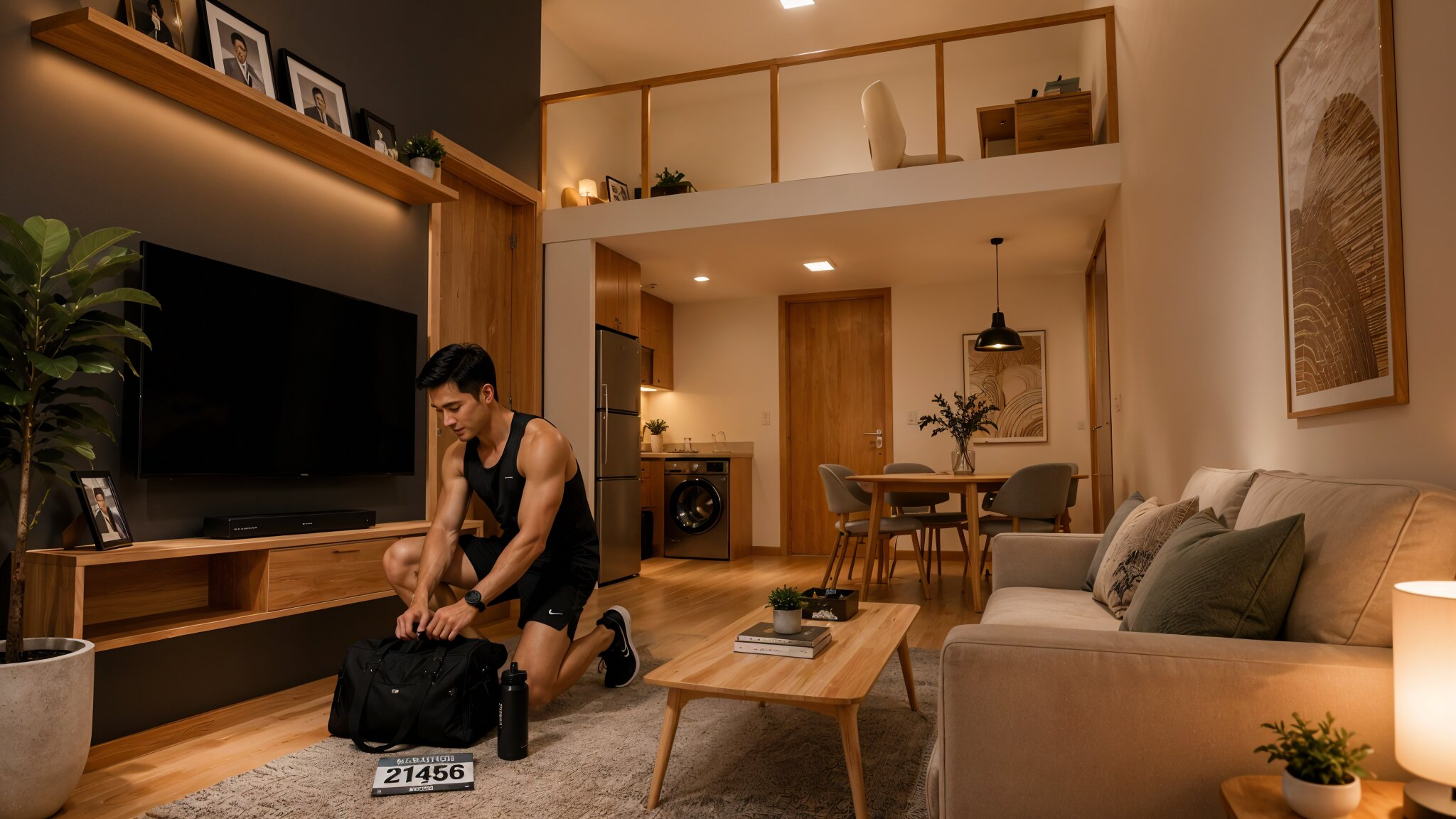
A loft area is not locked into one purpose. You can use it as your bedroom one year, convert it into a home office the next, or set it up as a guest space when family visits. This kind of flexibility is very important in the Philippines, where household needs change often.

This is especially useful for OFW families who buy a unit as an investment. When no one is living there, the layout remains practical for potential renters who might need a workspace or extra sleeping area.

It Adds Value to Your Investment

Loft-type condominiums are in a specific category of their own in the Philippine market. They appeal to a younger, professional demographic that values design and function. Because of this distinct appeal, well-designed loft units tend to hold their value and attract tenants more easily compared to plain studio units of the same size.

PH1 World Developers noted during the 2024 PropertyGuru Awards that its loft-type developments were among the most recognized in the industry, reflecting the strong market interest in this property type.

The Design Feels Open, Not Tight

One thing that surprises first-time loft buyers is how open the unit feels. Because the ceiling of a loft unit must be taller than a regular condo, the lower living area benefits from that height. The room feels airier and less boxed in, even if the total square meters are modest.

In tropical countries like the Philippines, the sensation of space and airflow matters a lot for comfort. A taller ceiling and a well-ventilated loft design can make daily living noticeably more pleasant.

It Separates Your Living Zones

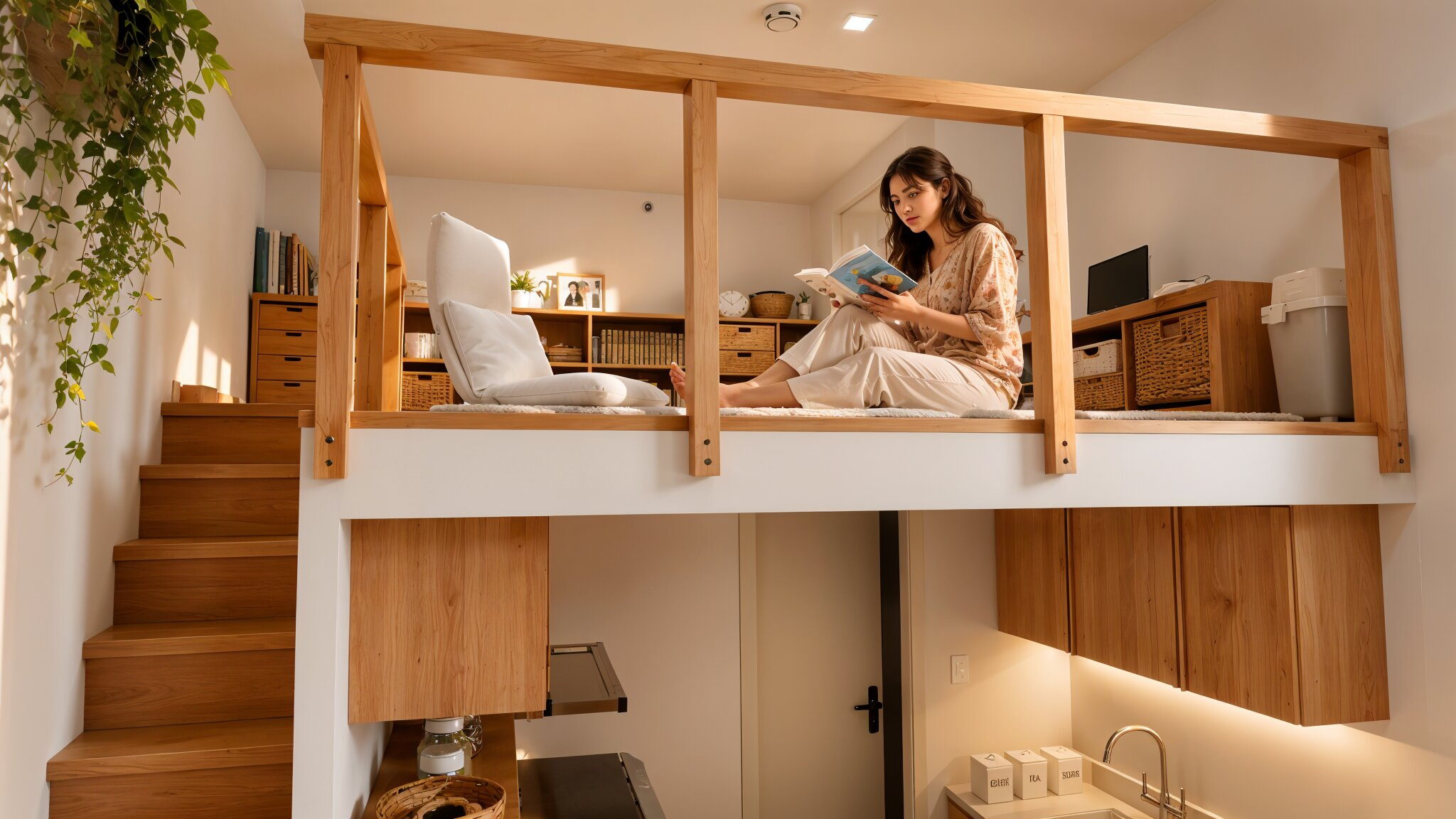
Having a loft means you naturally divide your unit into zones. The lower level becomes the living and dining area. The upper level becomes a private or quieter space. This separation helps with daily routines, especially for people who work or study from home.

This kind of layout also works well for renters. A tenant who needs a clear boundary between their work desk and their sleeping area will find a loft unit far more practical than an open studio.

Extra Space at No Extra Cost

The biggest advantage of PH1’s Add-Loft Technology is clear: you gain additional usable space without increasing your purchase price.

Instead of upgrading to a larger—and more expensive—unit, you already get an elevated level that can serve multiple purposes.

Is Add-Loft Technology Right for Everyone?

Like any design feature, it depends on your needs. Loft units work best for: 

  • People who want more space on a smaller budget. A loft unit often costs less per square meter than a two-bedroom unit while offering a similar amount of functional space.
  • Young professionals and couples without young children. The staircase or ladder access to the loft can be a safety concern for toddlers and young kids. 
  • Investors looking for rental units. Loft-type condos attract a specific kind of tenant who values the design and the extra space, making it easier to find and keep good renters.

If you have older family members living with you, or if you have mobility concerns, a regular unit layout might be more practical. It is worth thinking about your lifestyle and who will be using the space day to day.

How Does Add-Loft Technology Differ from Regular Loft Renovations?

Some buyers confuse add-loft technology with a DIY loft renovation. These are not the same thing. When a developer uses add-loft technology, the loft is built into the unit’s structure from the beginning. The ceiling height is designed for it. The structural load is calculated properly. The access point is placed in a safe and practical location. The materials meet building code standards.

When a homeowner tries to add a loft later as a renovation, there are risks. The existing ceiling may not be tall enough. The structure may not support the additional weight. Getting permits for interior changes in a condo can be complicated under Philippine condominium laws.

Built-in add-loft technology removes all of those concerns. You get the benefit of the extra level without the risk or hassle of renovating it yourself.

What to Look for When Choosing a Loft-Type Condo in the Philippines

Before buying a loft unit, here are some things worth checking:

  • Ceiling height is the most important factor. A loft unit with a ceiling height of less than 4.5 meters total can feel uncomfortably tight on the upper level. Look for units with generous ceiling clearance both on the loft level and below it.
  • Check the staircase design. A steep or narrow staircase is hard to use every day and can be a problem when moving furniture or large items in. Some units use a ladder instead of stairs, which is less practical for daily use.
  • Look at the ventilation and natural light on the upper level. The loft area should have a window or opening that allows fresh air and light in. Without this, the loft can feel stuffy.
  • Consider the floor plan of the lower level. The loft should not take up so much ceiling space that the lower area feels dark or cave-like.

PH1 World Developers apply these principles in their loft-type properties. Some of PH1’s developments offer free extra loft space. Yes, this add-on space is provided at no extra cost! If you want to see how these design details come together in an actual development, exploring their property portfolio is a good starting point. 

Experience Smarter Condo Living

Add-loft technology is more than just a design trend—it is a practical solution to modern urban living. For Filipino condo buyers, it is a practical solution to the real challenge of limited space in growing urban areas. It allows you to live bigger within a smaller space, without stretching your budget. Whether you are a first-time buyer, an investor, or someone looking for a more efficient home layout, a loft-type condo is worth considering. The key is choosing a development where the loft was designed well from the start, not added as an afterthought.

If you are ready to explore what first-world condo living looks like in the Philippines, explore ph1worlddevelopers.com today and discover how you can maximize your living space without paying more.

long-term residential value

How PH1 World Developers Creates Long-Term Residential Value in Its Communities

long-term residential value

Buying a home in the Philippines is one of the biggest financial decisions a Filipino family will ever make. Whether you are a first-time buyer, an OFW investing from abroad, or someone building a portfolio of properties, you want to know one thing: will this investment hold its value over time?

That question is more important now than ever. The Philippine real estate market is growing fast, with the Bangko Sentral ng Pilipinas reporting steady demand for residential properties across Metro Manila and nearby provinces. But not all developments are created equal. Location, build quality, community planning, and the developer behind the project all play a role in whether a property gains value or loses it.

This article looks at how PH1 World Developers approaches its residential communities, and what specific factors help protect and grow the value of homes in its projects over the long term.

What Makes a Residential Property Hold Its Value?

Before we look at what PH1 World Developers does specifically, it helps to understand what drives long-term property value in the first place.

In the Philippines, properties that appreciate well over time tend to share a few things in common. They are located in areas with growing infrastructure. They are part of organized, master-planned communities where upkeep is maintained. They are built by developers with a track record of delivering finished projects on time. And they offer amenities and features that meet the needs of modern Filipino families.

A poorly planned development might look attractive on paper but quickly lose value if roads deteriorate, the developer abandons the project, or the community feels unsafe. On the other hand, a well-managed community with good security, clean surroundings, and dependable facilities tends to attract more buyers over time, which pushes property values up.

For Filipino families, this distinction matters a great deal. Unlike other countries where renting is the norm, most Filipinos view homeownership as a path to wealth and stability. A home is not just where you live — it is a long-term investment.

How Does PH1 World Developers Approach Community Planning?

PH1 World Developers builds its communities with a master-planned approach. This means that before a single unit is sold, the entire layout of the community — including roads, amenities, green spaces, and residential clusters — is already mapped out and accounted for in the development budget.

This is different from smaller developers that sometimes build in phases without a clear end plan, leaving residents in half-finished communities for years. Master-planned communities in the Philippines, like those offered by PH1 World Developers, are designed to function as complete neighborhoods from the start.

Take Northscapes San Jose del Monte in Bulacan as an example. The development was planned as a full horizontal community, and as of 2025, it has already launched brand-new amenities, giving residents functional community spaces that add to their daily quality of life and protect the surrounding property values.

The same holds for One Lancaster Park in Imus, Cavite, which recently opened a new café as part of its commitment to building a livable, community-centered environment. These are not just marketing gestures — they are signs of an active developer that continues investing in its properties after the initial sale, which is exactly what supports long-term home value.

Does Energy-Efficient Design Add to Property Value?

Yes, and in the Philippines, this is becoming more important every year. Electricity costs in the country are among the highest in Southeast Asia. A home that is designed to use less energy means lower monthly bills, which makes it more attractive to buyers and renters alike.

PH1 World Developers has been building energy-efficient (EE) communities since its early days. Northscapes San Jose del Monte was recognized as the first EDGE-certified community in San Jose del Monte, Bulacan. EDGE — which stands for Excellence in Design for Greater Efficiencies — is an international green building standard that measures savings in energy, water, and construction materials. According to a 2025 media report, PH1 World Developers continues to advance sustainable living with EDGE-certified homes in Bulacan, a direction that is increasingly valued by Filipino homebuyers.

From an investment standpoint, energy-efficient homes in the Philippines have a practical advantage: they age better. Standard homes that were not built with energy efficiency in mind tend to require more maintenance and retrofitting over time, which reduces their market value. EE homes require less, which helps keep them competitive in the secondary market.

What Role Does Build Quality Play in Long-Term Value?

Build quality is the foundation of any residential investment. A home that uses inferior materials, shortcuts on structural integrity, or cuts corners during construction will show those problems within a few years — warping floors, cracking walls, leaking roofs.

PH1 World Developers is backed by Megawide Construction, one of the Philippines’ leading infrastructure contractors. This is not a minor detail. Having a major construction company behind a real estate developer means that the construction process follows professional standards, uses quality materials, and benefits from construction technology that is not available to smaller players.

When Modan Lofts Ortigas Hills completed its topping-off ceremony in late 2025, it marked a key milestone that demonstrated on-schedule delivery — something that not every developer in the Philippines can claim. Construction delays do not just inconvenience buyers. They signal financial instability and can cause property values to drop even before residents move in.

The connection between Megawide and PH1 World Developers gives buyers a layer of assurance that the buildings they invest in are engineered and constructed to a higher standard than what is typical in the mid-range Philippine market.

Why Does the Developer’s Reputation Matter for Long-Term Value?

When you buy a property, you are also buying into the developer’s reputation. If that developer has a pattern of delivering well-built, well-managed communities, future buyers will pay a premium to live there. If the developer is known for delays, poor quality, or abandoned projects, the resale value of every unit in their communities suffers.

PH1 World Developers has built a recognition record that speaks to buyers. It won multiple awards at the 2024 PropertyGuru Philippines Property Awards and also took home three titles at the Real Estate Asia Awards 2024. In 2025, it was named among the top 10 developers by Hubexo. These recognitions are based on criteria like design quality, community planning, and buyer satisfaction.

For Filipino investors, developer awards are a useful shorthand. They signal that the developer is being evaluated by independent industry bodies and is consistently meeting a standard worth recognizing. In a market where fly-by-night developers still exist, that kind of track record is worth something real.

What Makes PH1 World Developers Communities Future-Proof?

Future-proof housing in the Philippines means a home that will still be livable, desirable, and valuable 10 to 20 years from now. Several features contribute to this.

First, location selection. PH1 World Developers has projects in growth corridors like Bulacan, Cavite, and Rizal, provinces that are seeing consistent infrastructure investment under national programs like Build Better More. Properties near new roads, expressways, and public transport tend to appreciate faster than those in isolated areas.

Second, community management. PH1 World Developers continues to invest in its communities after handover. New amenities, upgraded facilities, and active property management all contribute to the kind of environment where values hold steady or increase.

Is Buying in a PH1 World Developers Community a Good Long-Term Investment?

Based on the factors discussed above: master-planned development, energy-efficient construction, build quality backed by Megawide, award-recognized design, and active community management, the answer is yes, for buyers who are looking for long-term residential value rather than short-term speculation.

Real estate investment in the Philippines is not about flipping properties quickly. For most Filipino families, it is about building equity over 10 to 20 years. That goal is best served by choosing a developer that builds communities which people want to live in — not just at the time of purchase, but a decade later.

PH1 World Developers has consistently shown that it builds with the long game in mind. Its projects are backed by real construction expertise, planned with community living as the priority, and supported by ongoing investment even after residents move in. For Filipino families and investors looking for a residential property that will hold its value, those are exactly the qualities that matter. 

energy-efficient housing philippines

Energy-Efficient Housing and Its Benefits for Filipino Families

energy-efficient housing philippines

Energy-efficient housing is no longer just a trend for wealthy countries. Right here in the Philippines, more families are choosing homes that are built to use less electricity, stay cooler naturally, and cost less to maintain over time. With electricity rates in the country among the highest in Southeast Asia, it is easy to see why this type of housing is gaining serious attention.

Understanding energy efficiency in housing matters because it affects how much you spend every month, how comfortable your family feels at home, and even how healthy your living space is. For Filipino families who work hard for every peso, a home that saves on utility costs is not just a nice bonus — it is a practical and important choice.

In this article, you will learn what makes a home energy efficient, the real benefits it brings to Filipino households, and why this kind of housing is worth considering when you are thinking about buying or investing in property.

What Makes a Home Energy-Efficient?

An energy-efficient home is designed to use as little energy as possible without sacrificing comfort. This is done through smart design choices, quality building materials, and the right technology. In the Philippine context, this often means homes that are built to deal with the country’s hot and humid climate.

Some features commonly found in energy-efficient homes include proper insulation, good ventilation systems, energy-saving lighting such as LED fixtures, solar panels, and windows that reduce heat gain. The orientation of the house also matters. A well-positioned home can take advantage of natural light and airflow, which reduces the need for air conditioning and artificial lighting throughout the day.

The Philippine government and several private developers have started recognizing this. The EDGE (Excellence in Design for Greater Efficiencies) certification, for example, is an internationally recognized standard that measures a building’s efficiency in energy, water, and materials. Several housing projects in the country have already earned this certification, including those in Bulacan. PH1 WD advances sustainable living with EDGE-certified homes in Bulacan, showing how energy efficiency is becoming a standard for new residential developments.

How Does Energy-Efficient Housing Save Filipino Families Money?

This is the question most homebuyers ask first, and for good reason. The Philippines consistently ranks among the countries with the most expensive electricity in Asia. According to data from Meralco, the average residential electricity rate in Metro Manila has been rising year after year. For a typical Filipino household that relies heavily on electric fans, air conditioning units, refrigerators, and other appliances, the monthly electric bill can be a significant financial burden.

An energy-efficient home directly reduces this burden. When a home has good natural ventilation, thicker walls with insulating properties, and strategic window placement, it stays cooler during the day without the constant need for air conditioning. This alone can cut a family’s electricity consumption by 20 to 30 percent or more, depending on the design.

Over the lifespan of a home, these savings add up significantly. A family saving PHP 2,000 to PHP 3,000 per month on electricity will accumulate PHP 24,000 to PHP 36,000 in savings in just one year. Over ten years, that is anywhere from PHP 240,000 to PHP 360,000 that stays in the family’s pocket instead of going to utility bills.

Beyond electricity, energy-efficient homes also tend to use water more wisely. Water-saving fixtures and rainwater collection systems, when included in a housing development, reduce water bills as well. This double benefit makes energy-efficient housing a genuinely sound financial decision for Filipino families.

What Are the Health Benefits of Living in an Energy-Efficient Home?

Many people focus on the financial side but overlook the health benefits, which are just as important. A well-designed, energy-efficient home is also a healthier home.

Good ventilation is central to energy efficiency, and it also keeps indoor air clean and fresh. Poor ventilation is one of the main causes of mold growth, which is a serious problem in the Philippines due to the country’s high humidity levels. Mold and dampness are linked to respiratory problems, allergies, and other health conditions that disproportionately affect children and the elderly.

Proper insulation and ventilation also mean more stable indoor temperatures. Instead of swinging between very hot and very cool depending on whether the air conditioning is running, the home maintains a more consistent temperature. This is gentler on the body and leads to better sleep, less fatigue, and overall improved well-being for the whole family.

Natural lighting, another component of energy-efficient design, also contributes to mental health. Homes that are designed to let in natural sunlight while blocking direct heat create bright, cheerful interiors that are good for mood and productivity, especially important now that many Filipinos work or study from home.

Is Energy-Efficient Housing Good for the Environment in the Philippines?

Yes, and this is something many Filipino families are starting to care about more deeply. The Philippines is one of the most climate-vulnerable nations in the world. Typhoons, flooding, rising sea levels, and extreme heat are realities that Filipinos already live with. Every household that reduces its energy consumption contributes, even in a small way, to lowering the country’s carbon footprint.

Residential buildings account for a large share of total electricity consumption in the Philippines. The Department of Energy has consistently pointed to the residential sector as a key area for energy conservation. When developers build homes that are inherently more efficient, and when families choose to live in them, the collective impact on energy demand is meaningful.

This is not just about being “green” in an abstract sense. It is about protecting the country, its coastlines, its agricultural land, and its communities from the worsening effects of climate change. Choosing an energy-efficient home is one of the most practical ways a Filipino family can contribute to national climate goals while also benefiting themselves directly.

The news about PH1 World Developers setting the stage as the first EE Community in San Jose Del Monte, Bulacan highlights how private developers are already taking the lead in building communities that are better for both residents and the environment.

What Should Filipino Families Look for When Buying an Energy-Efficient Home?

Not all homes marketed as “green” or “eco-friendly” deliver the same results. Here are some practical things to look for when evaluating whether a home is truly energy-efficient.

First, check if the development or the building has a recognized certification such as EDGE, LEED, or BERDE (Building for Ecologically Responsive Design Excellence), which is the Philippine Green Building Council’s own rating system. These certifications mean the design has been independently verified.

Second, ask about the building orientation and ventilation design. A good developer will be able to explain how the building was positioned to take advantage of natural airflow and minimize solar heat gain. For Philippine conditions, cross-ventilation is especially valuable.

Third, look at the materials used. Thermal insulating materials in the roof and walls, double-glazed or reflective windows, and quality waterproofing all contribute to energy efficiency and long-term durability.

Finally, check what energy-saving features come standard in the unit, such as LED lighting, energy-rated appliances, if included, and whether the development has solar panels or a plan to add them.

Northscapes SJDM Lights Up with Brand-New Amenities is an example of how PH1 World Developers continues to build communities with features that improve residents’ daily quality of life, including elements designed to keep operating costs manageable.

Why Energy-Efficient Housing Matters More Than Ever for Filipino Families

The rising cost of living, the growing threat of climate change, and the increasing availability of quality energy-efficient homes in the Philippines all point in the same direction. Choosing an energy-efficient home today is one of the smartest decisions a Filipino family can make for their finances, their health, and their future.

It is a home that costs less to run, is more comfortable to live in, and holds its value better over time. For a country that faces both economic pressures and environmental challenges, this kind of housing is not a luxury — it is the logical next step for Filipino homeownership.

If you are looking for a home that is built with these principles in mind, PH1 World Developers offers a range of residential developments designed to deliver first-world quality and energy-efficient living for Filipino families. Browse their property listings today and find the home that works best for your family.

community design philippines

Creating First-World Living Through Modern Community Planning in the Philippines

community design philippines

Community design is changing how Filipinos think about where they live. It is no longer just about having a roof over your head. Today, a good home is part of a well-planned neighborhood that makes daily life easier, safer, and more comfortable.

For many Filipino families, owning a home is one of life’s biggest goals. But what makes a home truly worth it? More and more buyers are looking beyond the unit itself. They want to know what kind of community they are moving into.

In this article, you will learn what smart community design means in the Philippine context, why it matters for homebuyers and investors, and what features to look for when choosing a development.

What Is Modern Community Design?

Smart community design is a way of designing residential areas so that everything works together. Roads, homes, green spaces, utilities, and shared amenities are all planned as one system — not as separate parts.

In the Philippines, this kind of planning has become more important as more people move from the province to urban and suburban areas. Metro Manila and nearby areas like Cavite, Bulacan, Laguna, and Rizal are seeing fast population growth. Without good planning, growth can lead to traffic, flooding, and overcrowded neighborhoods.

Developments built on disruptive innovations and forward-thinking design address these problems before they start—laying the foundation for First-World Living even within emerging urban areas.

Why Community Planning Matters in the Philippines

The Philippines faces real housing challenges. According to the Housing and Urban Development Coordinating Council (HUDCC), the country has a housing backlog of several million units. Many of these are needed by low- to middle-income families.

But the backlog is not just about numbers. It is also about quality. Many existing housing developments lack basic planning. Streets are too narrow. Drainage systems fail during the rainy season. There are no parks or open spaces for children to play.

Well-executed community design fixes this by putting people first. It asks: What does a family need to live well? The answer shapes everything — from road width to where the basketball court goes.

This is where developers like PH1 World Developers stand out. By integrating disruptive technology and innovative construction methods, they deliver communities designed for First-World Living—not just basic housing. Their recent 4.75-hectare residential project in Dasmariñas under the government’s 4PH program reflects this commitment to quality and forward-thinking design.

What Makes a Community Well-Planned?

You do not need high-tech gadgets for a community to be smart or effective. It starts with the basics done right —enhanced by thoughtful design and innovation.

  • Good layout and road planning. A smart community has roads wide enough for emergency vehicles. Pedestrian paths are separate from vehicle lanes. Traffic flow is planned so there are no choke points.
  • Green spaces and open areas. Parks, gardens, and open courts give residents places to relax and socialize. Studies show that access to green space improves mental health and builds community bonds.
  • Reliable utilities. Water supply, power, and internet connectivity are designed into the community from the start. This is especially important in areas prone to power interruptions or low water pressure.
  • Energy efficiency. Buildings and shared facilities are designed to use less energy. This saves money for homeowners in the long run and is better for the environment. PH1 World Developers has made this a priority — they were recognized for advancing sustainable living with EDGE-certified homes in Bulacan, showing that energy efficiency is achievable even in affordable housing.
  • Safety and security. Well-lit streets, security checkpoints, and community visibility all make residents feel safe. Good design reduces crime because there are fewer dark corners and more “eyes on the street.”

How Does Community Planning Affect Property Value?

This is a question a lot of buyers ask, and the answer is straightforward: well-planned communities hold their value better. When a community has good drainage, clean common areas, working amenities, and a strong homeowners association, property values tend to go up over time. When planning is poor, values can stagnate or even fall.

For investors, this makes smart community design a key factor. A unit in a well-planned development is not just a home — it is a long-term asset.

For end-users, it means peace of mind. You are not just buying a condo or a house. You are investing in a higher standard of living aligned with First-World expectations.

What Should Filipino Homebuyers Look For?

When evaluating a property, here are practical questions to ask:

  • Is the flood risk assessed? Ask the developer if a drainage master plan exists. In the Philippines, flooding is a serious concern. A smart community accounts for this with proper drainage, elevated ground, and retention areas.
  • Are amenities shared or sold separately? Some developments advertise amenities but charge extra for access. A well-planned community includes usable amenities as part of the package.
  • Is the community walkable? Can residents walk to a convenience store, a park, or a community hall without crossing a busy highway? Walkability is a sign of good planning.
  • What is the homeowners association like? A strong HOA means the community will be maintained over time. Poor HOA governance is one of the biggest complaints in older Philippine subdivisions.
  • Does the developer have a good track record? Look at their finished projects. PH1 World Developers, for example, lit up their Northscapes SJDM community with brand-new amenities — showing ongoing commitment after units are sold.

How Is the Government Supporting Smart Housing?

The Philippine government’s 4PH (Pambansang Pabahay Para sa Pilipino) program is one of the biggest housing initiatives the country has seen. It aims to build millions of homes for Filipinos across different income brackets.

The program works with private developers to build communities that are not just affordable but also well-located and properly planned. The government provides land and financing support, while developers contribute construction expertise and design.

This partnership proves that First-World Living is achievable through the right mix of planning, policy, and disruptive construction technology. Innovations such as precast systems allow developers to build faster, more efficiently, and at a lower cost—without compromising quality.

Find Your First-World Home with PH1 World Developers

PH1 World Developers builds exactly that. From EDGE-certified horizontal communities in Bulacan and Cavite to modern vertical developments across Metro Manila, each PH1 project is planned and built with your family’s comfort, safety, and future in mind. 

By combining disruptive innovations, advanced construction technology, and thoughtful community planning, PH1 delivers homes that go beyond expectations—making First-World Living accessible to more Filipinos.

Whether you are a first-time homebuyer, an OFW investing for your family, or someone looking to upgrade your lifestyle, PH1 World Developers offers a place where you can truly thrive. 

Explore PH1 World Developers’ properties and take the first step toward your first-world home today!

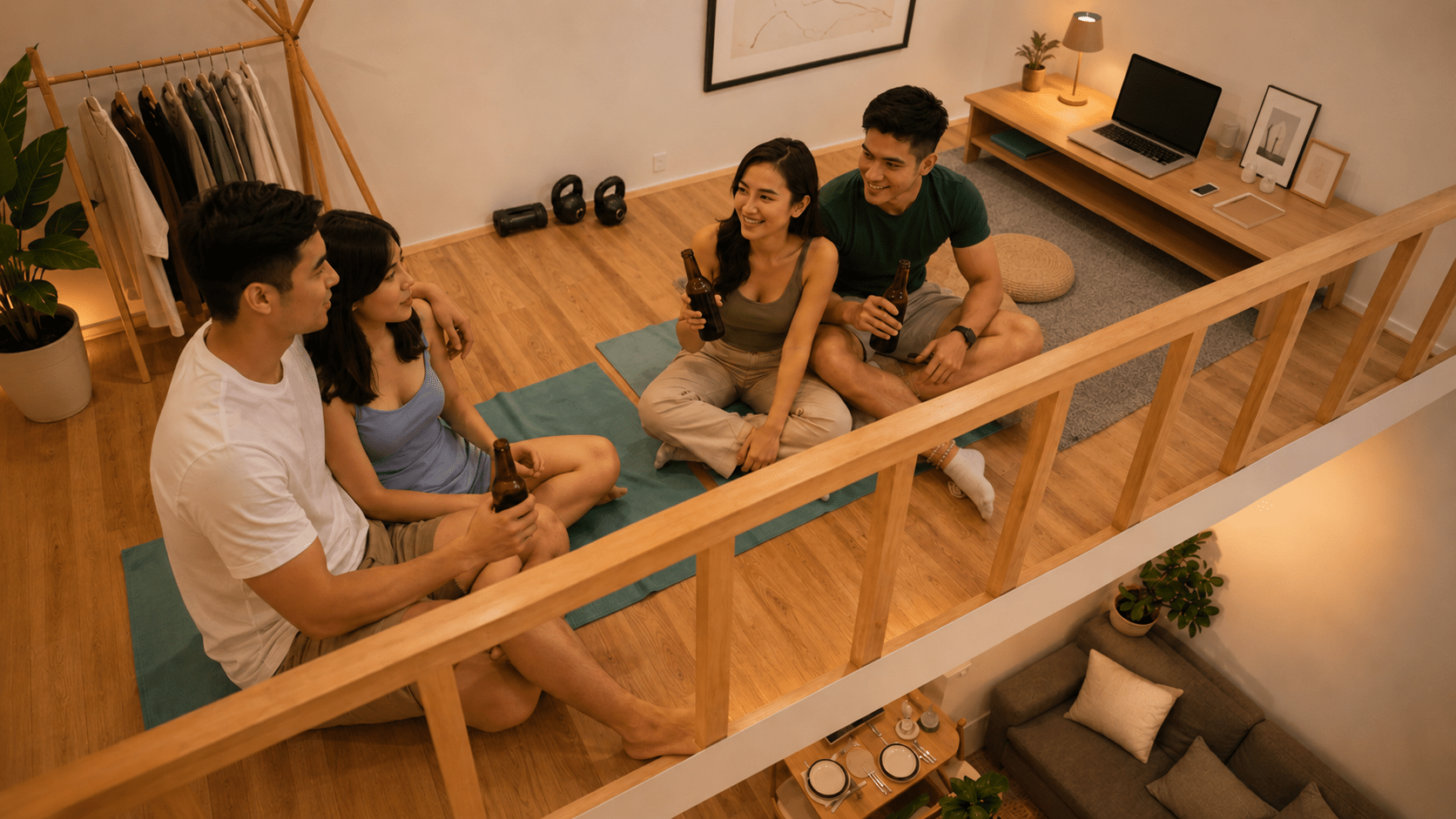
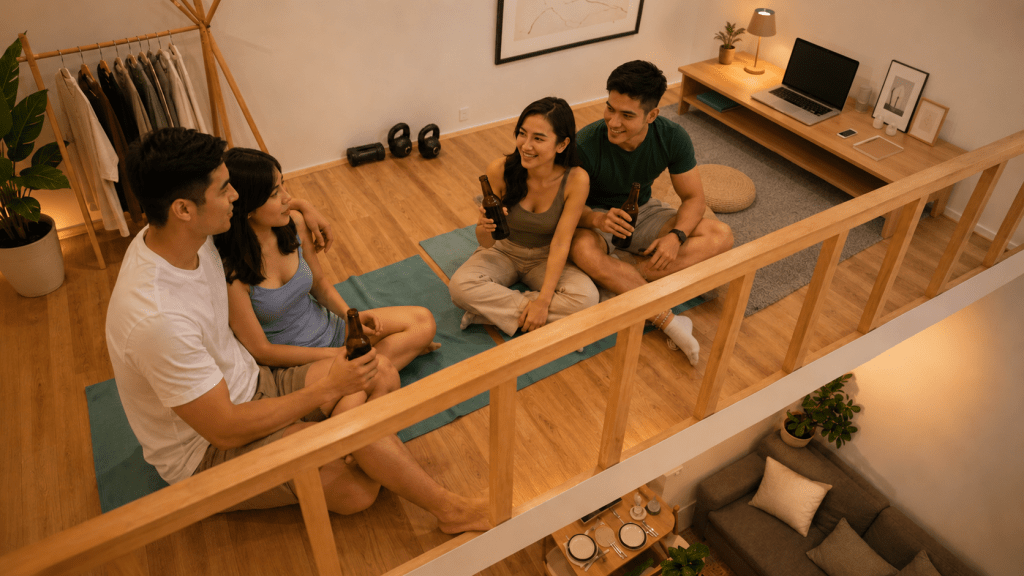
two couple living with add-loft technology condominiums

What Is Add-Loft Technology and How It Maximizes Free Living Spaces

two couple living with add-loft technology condominiums

If you live in Metro Manila or any fast-growing city in the Philippines, you already know how tight space can get. Condos are getting smaller. Prices are going up. And families still need room to live, work, sleep, and breathe. It is a challenge that more and more Filipino homebuyers are facing today, and one that PH1 World Developers has been actively working to solve through smarter, more thoughtful residential design.

That is where add-loft technology comes in. It is a building design approach that gives you more usable floor area without making the unit bigger on paper. Think of it as building a second level inside your condo, turning what would have been empty airspace above your head into a real, livable area. It is exactly the kind of innovation behind developments like My Enso Lofts, where maximizing every square meter is built into the design from the start.

Understanding how this works is important, especially if you are looking for a condo today. With land costs rising and unit sizes shrinking across Philippine cities, knowing which design features actually give you more room for your money can make a big difference. In this article, you will learn what add-loft technology is, how it works, why it matters for condo living in the Philippines, and what to look for when choosing a loft-style unit.

What Does Add-Loft Technology Actually Mean?

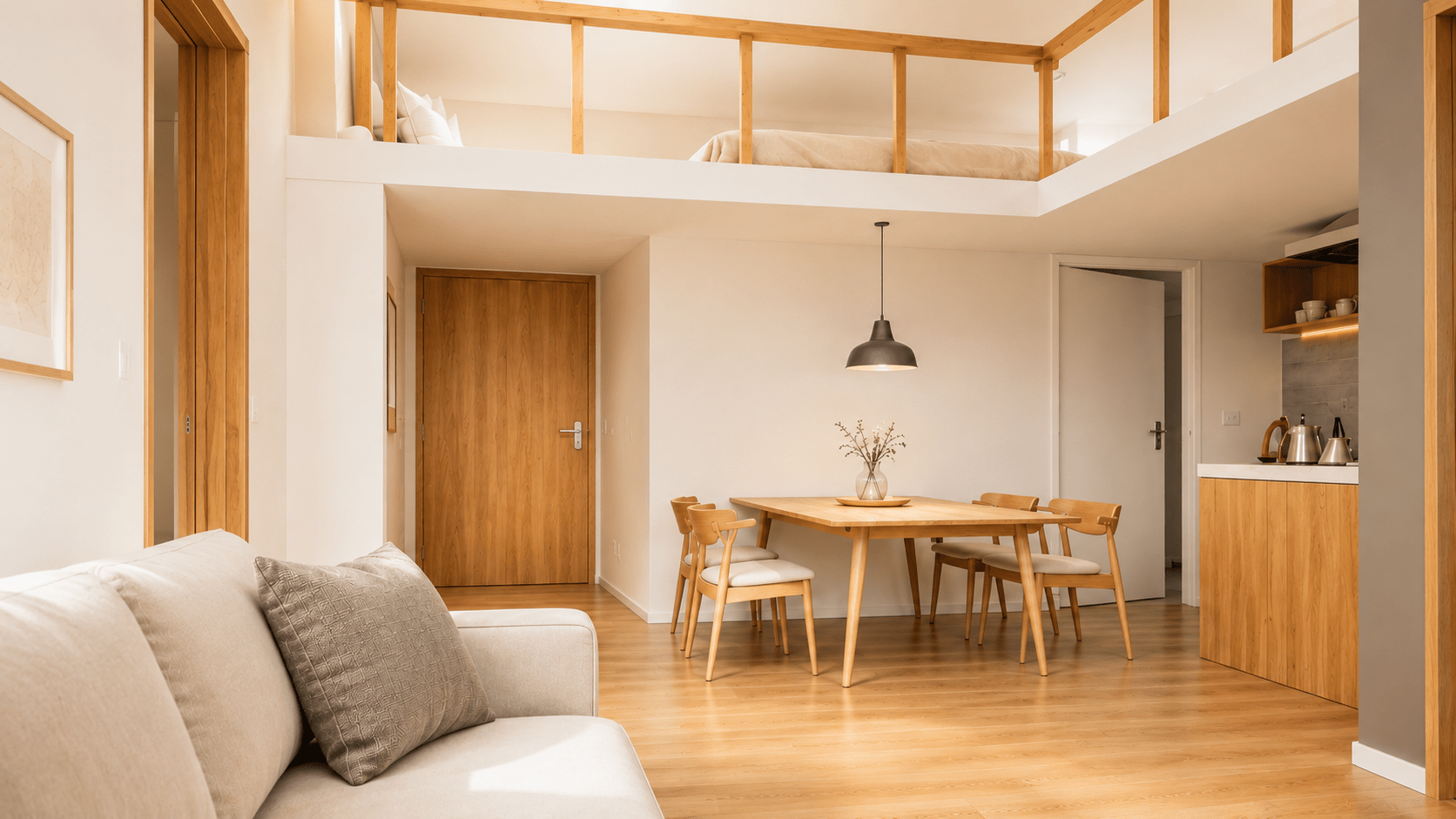
Add-loft technology refers to the design and construction method of building a raised platform or second floor level inside a single condo unit. Instead of a standard flat layout where your ceiling is just there above you, an add-loft unit uses a double-height ceiling design to create vertical space that can then be divided into two levels.

The lower level usually holds the main living area, kitchen, and dining space. The upper loft level, accessed by a staircase or ladder, is typically used as a bedroom, study area, storage, or even a small home office.

What makes this a “technology” is not just the concept, but the precise engineering behind it. The floor system, structural supports, staircase placement, and ceiling heights all have to be carefully calculated to make a loft work safely and comfortably within a compact footprint.

In the Philippines, this type of design has become more popular as developers look for ways to offer space-efficient home concepts to young professionals, small families, and OFW investors who want more value from a smaller investment.

How Does It Create More Space Without Expanding the Unit?

A standard condo unit uses its floor area and leaves the ceiling space unused. If your unit has a 3-meter ceiling and you are only using the floor, you are technically wasting the upper portion of the room. Most condos are designed this way — and most buyers never question it until they start feeling the squeeze.

Building Up Instead of Out

Add-loft technology maximizes vertical space by building upward instead of outward—making it ideal for urban living where every square meter counts. Unlike typical condominium units, these spaces are designed with higher-than-usual ceiling heights, allowing for the addition of a functional loft area without compromising comfort below.

In developments like My Enso Lofts and Lykke Kondo, even studio-type units can include an add-loft area ranging from approximately 7.40 to 9.37 square meters. This added space can serve as a sleeping area, workspace, or storage zone—effectively expanding the usable living area and offering greater flexibility for homeowners.

What This Means in Real Terms

A 30-square-meter unit with a loft can effectively give you the living experience of a much larger space. You are now using both the floor and the elevated level, which means you can separate sleeping from living, or work from rest, without needing extra square meters on a single floor. The numbers on the title may stay the same, but the way the space actually feels — and functions — is a completely different story.

Why Is This Becoming Popular in the Philippines?

The Philippines has one of the fastest rates of urbanization in Southeast Asia. According to the Philippine Statistics Authority, more than half of the country’s population now lives in urban areas, with Metro Manila remaining the most densely populated region. This urban crowding means residential land is expensive, and developers are building taller, more compact buildings.

At the same time, the Housing and Land Use Regulatory Board (HLURB), now the Department of Human Settlements and Urban Development (DHSUD), has noted a consistent push toward higher-density vertical housing, especially in cities like Quezon City, Pasig, Makati, and Taguig.

For buyers, this means condo units are often small by necessity. Add-loft technology gives developers a way to offer compact living solutions that still feel spacious and functional. It also gives buyers a unit that can serve multiple purposes, which is valuable when you are working from home, raising a small family, or hosting guests.

PH1 World Developers recognized this shift early. Projects like My Enso Lofts were recognized by Dot Property Philippines as the Best Loft Type Condominium, showing that the market response to this kind of design has been strong and positive.

What Are the Key Features of a Good Loft-Style Condo Unit?

Not all loft units are created equal. When looking at loft-style condominium units, there are a few things that separate a well-designed loft from one that just looks good on a brochure.

  • Ceiling height matters most. A loft only works if the ceiling is tall enough. Units with less than 4.2 meters of ceiling height will feel cramped on one or both levels. A proper double-height ceiling design starts at 4.5 meters and ideally reaches 5 meters or more.
  • Staircase design affects daily comfort. A steep, narrow staircase might work in a magazine photo, but it becomes tiring fast in daily life. A good loft unit has a staircase that is wide enough for an adult to climb comfortably and is positioned so it does not eat into the main living area.
  • Natural light and ventilation must reach both levels. The upper loft can feel like a dark box if the design does not account for window placement or airflow. Look for units where the loft level has access to windows or at least an open view down to the main floor’s ventilation.
  • Flexible living spaces are a sign of good design. The best add-loft units are designed so the loft can serve different purposes over time. Today it might be a bedroom. In a few years, with a young child, it might become a study room. Multi-functional interiors are what separate a well-designed loft from a novelty layout.

How Does Add-Loft Technology Compare to a Standard Condo Layout?

Think of a standard studio unit. You have one room where your bed, sofa, dining table, and kitchen all share the same floor space. You are always living on top of your own clutter. There is no visual or physical separation between sleeping, eating, and working.

With an add-loft unit, you get clear separation. Your sleeping area goes up. Your living and dining area stays below. This zoning makes a small space feel organized and intentional.

From a practical standpoint, this also helps with noise and privacy. If you are a couple or have a housemate, one person can sleep upstairs while the other watches TV below. For parents with a young child, the loft can serve as the child’s bedroom while keeping the main floor for family activities.

In terms of design, innovative condo layouts like those seen in Modan Lofts Ortigas Hills and My Enso Lofts have earned recognition from PropertyGuru, one of Southeast Asia’s leading property platforms, precisely because they address real lifestyle needs rather than just offering square meters.

Is a Loft Unit Right for Everyone?

Add-loft technology works well for many buyers, but it is worth being honest about who benefits most and who might be better served by a different layout.

Who Gets the Most Out of a Loft Unit

  • Young professionals who work from home — The vertical separation naturally creates a dedicated home office zone and a rest zone, which makes a big difference for focus and work-life balance.
  • Students and first-time buyers — Loft units offer more usable space per peso, making them a smart choice for buyers working with a tight budget.
  • Small couples and newlyweds — The layout gives two people their own zones within a shared space, which helps with both comfort and privacy.
  • Investors and landlords — Loft units photograph well and consistently attract young renters, making them a strong option for buy-to-let buyers.

The Smart Way to Decide

No amount of reading replaces an actual visit. Walk the stairs, look up at the ceiling from both levels, and picture your real daily routine inside the space — not just how it looks in the photos. A loft unit is a lifestyle decision as much as it is a financial one, and the best way to know if it works for you is to experience it in person.

What Should You Look for When Buying a Loft-Type Unit in the Philippines?

Check the Developer’s Track Record

Start with who is building it. Has the developer built loft units before? Do they have recognition or awards for loft-type designs? A developer who has done this well before is more likely to have figured out the details — from ceiling height to stair placement to material quality. Experience in this specific format matters more than general reputation alone.

Understand What the Floor Area Number Actually Means

Check the unit’s actual usable floor area on both levels, not just the total figure on the title. Some developers include staircase area, wall thickness, and balcony space in the total, which can inflate the number and give you a misleading picture of how much room you actually have to live in.

Look at the Building as a Whole

The unit is only part of the picture. Are the corridors wide enough to feel comfortable? Does the building have good ventilation? Is there enough natural light reaching the units? These building-wide factors directly affect how livable your loft unit will be on an ordinary day, not just on a show unit visit.

Choose a Developer with a Proven Community Track Record

Finally, look beyond the unit and at the community being built around it. PH1 World Developers has earned back-to-back recognition from award bodies like DOT Property Philippines and PropertyGuru Philippines precisely because their loft developments combine space-efficient design with thoughtfully built communities — ones that support actual living, not just aesthetics.

The Bottom Line on Add-Loft Technology

Add-loft technology is one of the most practical answers to the space problem facing urban Filipino homebuyers today. It uses vertical space to give you two functional zones from one compact unit — without the cost of a larger footprint. When designed well, it genuinely changes how a small space feels and functions. The key is finding a developer that has done the engineering right, because a poorly executed loft can be just as limiting as a standard studio.

If you are ready to see what a well-designed loft-style home looks like in person, browse PH1 World Developers’ property listings and find a unit that fits your lifestyle, budget, and space needs.

tropicool insulated walls

Insulated Walls for Homes: Why TropiCool Matters in the Philippines

tropicool insulated walls

If you have ever walked into a room in the middle of a Philippine summer and felt like you stepped into an oven, you already understand the problem. The walls of most homes in the country absorb heat all day and release it at night, making the inside feel just as hot as the outside — sometimes worse. It is one of the reasons energy-efficient home design has become one of the most talked-about priorities in Philippine real estate today.

Wall insulation changes that. And in a tropical country like the Philippines, where heat and humidity never really go away, having the right kind of insulated wall is not a luxury. It is a practical need. TropiCool, the wall insulation technology used in PH1 World Developers properties, is built specifically for conditions like ours.

This article covers what wall insulation actually does, why it matters for homes in the local setting, and how TropiCool addresses the specific challenges of tropical home insulation in the Philippines.

What Does Wall Insulation Actually Do?

Wall insulation works by slowing the transfer of heat from outside into your home, helping keep indoor spaces cooler during the day and more stable at night. By acting as a barrier against heat, it reduces the need for constant air conditioning—lowering energy use and helping cut electricity costs, especially in hot climates where cooling systems consume a significant portion of household power.

Why Is Thermal Comfort So Hard to Achieve in the Philippines?

The Philippines sits in the tropical zone, which means two things: intense solar radiation and high humidity almost year-round. Most standard construction materials — hollow blocks, concrete, and thin plywood — are not designed to resist heat transfer. They are chosen for their strength and cost, not their thermal properties. This is why so many Filipino homes feel stuffy and uncomfortable even with the windows open.

Humidity makes it worse. When moisture builds up inside walls, it can cause mold, weaken the structure over time, and make indoor air feel heavy and hard to breathe. Keeping a home comfortable in the Philippines means dealing with both heat and moisture at the same time — and most affordable and mid-range housing projects in the country have not fully addressed either one.

At its core, this is a design and materials problem. And until builders start treating thermal performance as a basic requirement rather than an optional upgrade, Filipino homeowners will keep paying for it — in electricity bills, in discomfort, and in the long-term condition of their homes.

What Makes TropiCool Different?

TropiCool is PH1 World Developers’ answer to this specific challenge. It is a thermal wall system built for tropical conditions, not adapted from a technology designed for colder climates.

Here is what sets it apart for tropical home insulation in the Philippines:

  • It reflects heat before it enters. TropiCool uses materials that reflect radiant heat away from the wall surface. This is especially important in the Philippines where the sun hits walls directly for several hours a day.
  • It manages moisture. The system is designed to prevent moisture buildup inside the wall, which directly addresses humidity control for houses in a tropical climate. This reduces the risk of mold and improves the air quality inside the home.
  • It works with, not against, natural ventilation. Unlike full insulation systems designed for cold climates that seal everything shut, TropiCool is built to allow homes to breathe. This matters in the Philippine context where natural air circulation is part of how homes stay livable.
  • It reduces dependence on air conditioning. Because the walls do more of the work in keeping heat out, residents do not need to run their AC as long or as cold. This supports local energy-efficient homes by cutting electricity consumption at the source.

How Does This Affect Your Daily Life?

Picture a Typical Summer Morning

Imagine waking up on a Tuesday morning in May — peak summer — and your room does feel like a sauna. You step out of bed and the floor is not radiating heat upward. You open the window and there is a cross breeze that actually feels refreshing, because the walls around you are not trapping and releasing stored heat. That is what heat-resistant walls are supposed to do. Not just make your home more comfortable, but change how you experience the space entirely.

For Families, It Goes Beyond Comfort

For households with young children or elderly members, this matters even more. Heat stress is a real health concern in the Philippines. The Philippine Atmospheric, Geophysical and Astronomical Services Administration (PAGASA) has been issuing increasingly serious heat index warnings in recent years, with some areas recording apparent temperatures above 42°C during summer months.

A Cooler Home Is a Safer Home

A home with proper wall insulation is not just more comfortable — it is safer. When the walls around you are not constantly absorbing and releasing heat, the entire living environment becomes easier on the body, especially for those most vulnerable to the effects of extreme heat.

Are Energy-Efficient Homes in the Philippines Worth the Cost?

This is the question most homebuyers ask, and it is a fair one. The upfront investment in better materials and construction technology is real — but so is the long-term return. Consider this: a typical Filipino household with an air conditioner running for 8 hours a day during summer months spends a significant amount on electricity. Reducing that run time by even two to three hours per day translates to thousands of pesos in savings per year. Over the life of a home loan, that adds up quickly.

PH1 World Developers has already backed this up with action. The company secured funding specifically for its energy-efficient community offerings, reflecting real institutional confidence in the long-term value of building homes that cost less to live in. Projects like Northscapes San Jose del Monte were built as the first energy-efficient community in their area — proving that this is not just a marketing promise but something built into the structure of the development itself.

The recognition has followed. PH1 World Developers’ EDGE-certified homes in Bulacan have earned formal certification for their energy and environmental performance, giving buyers an independent, third-party confirmation that the efficiency claims are real — not just something printed on a brochure.

What Should Filipino Homebuyers Consider?

Thermal Comfort Should Be on Your Checklist

If you are buying or planning to buy a home in the Philippines, thermal comfort should be one of your priorities — not an afterthought. The good news is that finding out whether a development takes it seriously does not require a technical background. It just requires asking the right questions.

The Questions Worth Asking

Before committing to a property, find out:

  • Does the development use a thermal wall system or standard hollow block construction?
  • Is there a moisture barrier built into the wall design?
  • Has the project received any energy efficiency certification?
  • What are the estimated electricity savings compared to a standard unit?

What the Answers Tell You

These are not complicated questions, but they reveal a lot about how seriously a developer takes livable design. A developer who can answer them clearly and confidently is one who has actually thought about what it feels like to live in their homes — not just what they look like on a brochure.

The Bigger Picture: Properties for the Philippine Climate

The Philippine construction industry has long borrowed building standards from temperate countries — but our climate, our summers, and our humidity are a different story entirely. TropiCool represents a shift in how residential development can work here. It treats the heat and humidity of our environment not as problems to work around, but as conditions to design for. That is a meaningful difference for anyone who plans to actually live in a home for years, not just buy it as an investment.

If you want a home that stays cooler, costs less to cool, and was built with the Philippine climate in mind from the ground up, explore what PH1 World Developers has to offer across our property developments. From Northscapes in Bulacan to Southscapes in Cavite, these communities are built with real thermal comfort — not just good-looking amenities.

first world living philippines

First-World Living in the Philippines: The PH1 Community Experience

first world living philippines

What does it mean to live a First-World life in the Philippines? For many Filipinos, it used to feel like something only possible abroad — wide roads, clean spaces, well-planned communities, and homes built to last. That idea is changing fast. More developments across Metro Manila and nearby provinces are showing that this kind of living is already here, and more within reach than most people think.

Understanding what First-World Living in the Philippines actually looks like matters now more than ever. With urbanization picking up speed and more Filipinos investing in property, knowing what sets a truly well-built community apart can make a big difference in your decision. It is not just about buying a unit. It is about choosing how you want to live.

This article breaks down what modern condo living in the Philippines looks like today, what features define a premium urban lifestyle in the country, and why the PH1 community experience stands out.

What Does First-World Living in the Philippines Look Like?

First-World Living is not just about the size of a condo unit or the number of amenities. It is about the full experience — the design of the space, how the community is managed, the quality of construction, and whether the place actually improves your daily life.

In the Philippine context, First-World Living often means having access to things like 24/7 security, reliable water and power systems, green open spaces, and facilities like gyms, pools, and co-working areas. It means building materials and finishes that hold up over time. It means a community that feels organized and intentional rather than crowded and neglected.

Modern condo living in the Philippines has been moving in this direction for the past decade. More developers are thinking about lifestyle, not just floor area. This shift is visible in how newer projects are designed — with wider hallways, better ventilation, energy-efficient features, and amenity areas that residents actually use.

Why Are Master-Planned Communities Growing in Demand?

A Community Designed as One Whole

Master-planned communities in the Philippines are gaining serious traction, and it is easy to see why. These are developments where every part of the community — from the roads to the recreational spaces to the building facades — is designed as one cohesive whole rather than put together piece by piece. The difference shows, and residents feel it from the moment they move in.

What Filipino Buyers Are Really Looking For

Nobody wants to live somewhere that feels unfinished or poorly thought out. A master-planned community gives residents a sense of order and pride in where they live. It also tends to hold its value better over time, which matters for buyers who see their home as both a living space and a long-term investment.

Filling a Real Gap in the Market

In Metro Manila and surrounding areas like Cavite and Bulacan, master-planned communities are addressing something the market has long needed. They offer the convenience of city living while giving residents actual breathing room — parks, open areas, and better air quality than a purely urban setting can provide. For families and young professionals looking to escape the density of the city without losing access to it, this balance is exactly what they are after.

A Sign of How Far Things Have Come

PH1 World Developers recently celebrated the topping-off milestone of One Lancaster Park’s Tower 1 in Imus, Cavite — a development that blends urban convenience with a natural, resort-like environment. It is the kind of milestone that reflects just how far master-planned communities in the Philippines have come, and how much more intentional residential development is becoming.

Not All Condominiums in Metro Manila Are High-End

The Real Question Behind the Price Tag

Not all condominiums in Metro Manila are high-end—and not everyone needs them to be. For many Filipino homebuyers, the real question is simple: is this condo worth what I’m paying for?

It’s a practical concern. Whether you’re a first-time buyer, a young professional, or a growing family, the goal is to find a space that fits your lifestyle and budget—not just a name or label. 

What Really Makes a Condo Worth It

For mid-range condominiums, value comes down to the essentials done right.

  • Location still matters most. A condo near transport hubs, workplaces, schools, and everyday establishments can save you hours of travel time and daily stress. Convenience often outweighs luxury.
  • Reliable construction and maintenance are equally important. A well-built unit may not have premium finishes, but it should offer durability, safety, and minimal issues over time—helping you avoid unexpected repair costs.
  • Practical amenities also add real value. While mid-end developments may not have every high-end feature, they often provide what residents actually use—such as function rooms, small fitness areas, or open spaces for relaxation.

Everyday Comfort Over Luxury Extras

Unlike high-end developments, mid-range condominiums focus less on extravagant features and more on everyday livability. You may not find rooftop lounges or expansive hotel-style pools, but you do get functional spaces designed for daily use.

These developments are built with a different goal in mind: to provide comfortable, accessible, and efficient urban living without the premium price tag. And for many buyers, that balance is exactly what makes them worth it.

Quality Moving Beyond the Traditional Corridors

Modan Lofts Ortigas Hills recently reached its own topping-off milestone in Taytay City, adding to a growing list of PH1 properties that bring this level of quality outside the traditional Makati and BGC corridors. It is a sign that first-world living is no longer limited to the most expensive addresses in the country.

How Is Contemporary Filipino Living Changing in Urban Areas?

Contemporary Filipino living in cities has shifted a lot over the past ten years. The rise of remote work, smaller households, and a younger generation of buyers has changed what people want from their homes.

Young professionals today are not just looking for a place to sleep. They want a space that supports their work-from-home setup, reflects their personal style, and gives them access to community without requiring a car. They value flexible layouts, smart storage, and buildings that have a strong sense of identity.

This is where loft-style units and thoughtfully designed compact spaces come in. Properties like My Enso Lofts and Lykke Kondo in Pasig are designed specifically for this kind of buyer — someone who wants quality and character in a smaller, more manageable space.

The Lykke Kondo project in Pasig brought in Chef Winston Luna for a community cooking event, which is a good example of how PH1 communities think about resident experience beyond just the physical space. Building a sense of community is part of the package.

What Should You Look for in a Top-Tier Urban Lifestyle Property?

Location Is Non-Negotiable

Being close to major roads, schools, hospitals, and commercial centers is not a luxury — it is a daily quality-of-life factor. A well-located property saves you time, reduces commuting stress, and holds its value better over the long term. It is the one feature no amount of amenities or interior design can compensate for if it is missing.

Construction Quality and Certifications Matter

Look for developers with a proven track record and properties that carry recognized energy-efficiency certifications. PH1 World Developers has built EDGE-certified communities in Bulacan, a globally recognized standard for resource-efficient design that gives buyers independent, third-party confirmation that the quality claims are real.

See the Amenities in Person

Do not rely on marketing materials alone. Visit the site, walk through the amenity areas, and pay attention to how well they are maintained. A clean, well-kept pool, gym, and open space tells you a lot about how a developer manages its community after the units are sold — which is often where the real difference between developers shows.

Developer Reputation Is Your Best Reference

Recognitions from PropertyGuru, DOT Property, and Real Estate Asia are not handed out lightly. PH1 World Developers has earned consistent recognition from these organizations across multiple projects and years — a track record that gives buyers a reliable basis for confidence beyond what any brochure or sales pitch can offer.

Is First-World Living in the Philippines Accessible to More Filipinos Now?

The honest answer is: it is more accessible than before, and getting more accessible every year.

There was a time when quality housing in the Philippines meant either spending enormous amounts on a high-end unit or settling for something poorly built. That gap is closing. Developers are now building properties at various price points that still maintain high construction standards and complete amenity offerings.

PH1 World Developers is active on this front. Beyond their developments in Metro Manila,Rizal, Cavite, and Bulacan, they are also involved in the National Government’s Expanded 4PH (Pambansang Pabahay para sa Pilipino) program, building affordable housing in partnership with local government units  across Luzon First-World quality in housing does not have to mean unaffordable housing — that is the point. Every Filipino deserves to live somewhere that is safe, well-built, and designed with their comfort in mind.

Experience First-World Living for Yourself

PH1 World Developers has built its identity around one clear idea: Filipinos deserve to experience the kind of living standard usually associated with more developed countries, right here at home. Their portfolio — from The Hive Residences to Northscapes San Jose del Monte to One Lancaster Park — reflects this through consistent construction quality, thoughtfully maintained amenities, community programs that bring residents together, and recognition from PropertyGuru, DOT Property, Real Estate Asia, and Brand Asia across multiple projects and years.First-World Living in the Philippines is not a slogan. For communities built with the right standards, it is an everyday reality. And if you are ready to find a home that reflects that standard, explore PH1 World Developers’ full portfolio of properties and take the first step toward the life you deserve.

Cooler Homes, Lower Bills: The Innovation of Thermal Wall Insulation with TropiCool

Living in the Philippines means dealing with heat almost every single day. From March to May, temperatures can climb past 36°C in many parts of the country, and even outside of summer, the humidity alone makes indoor spaces feel like an oven. Most Filipino households rely on air conditioning to survive the heat, but that comes with a heavy cost on the monthly electricity bill.

This is where thermal wall insulation comes in. It is one of the most practical answers to the heat problem in Filipino homes today, and TropiCool is leading the way in making it available in local real estate developments. In fact, PH1 World Developers has already demonstrated this commitment — the company secured funding specifically for its first energy-efficient community offering, signaling that sustainable, heat-ready homes are no longer a luxury but a standard worth investing in. Understanding how this technology works and why it matters can help you make a smarter decision when buying or upgrading a home.

What Is Thermal Wall Insulation?

Thermal wall insulation is a material built into or applied to the walls of a home to slow down the transfer of heat. Think of it like a thermos bottle. The insulation layer keeps the heat outside from getting in, and keeps the cooler air inside from escaping.

Without it, the walls of your home absorb heat from the sun and slowly release it into your living space. This is called thermal mass transfer, and it is one of the main reasons homes feel hot even at night, long after the sun has gone down.

With proper wall insulation, less heat enters the home. Your aircon does not have to work as hard. The indoor temperature stays more manageable, even with less cooling running.

Why Does This Matter So Much in the Philippines?

The Philippines sits near the equator, which means direct and intense sunlight for most of the year. According to the Philippine Atmospheric, Geophysical and Astronomical Services Administration (PAGASA), the country regularly experiences heat index levels that exceed 40°C during the dry season. Cities like Metro Manila, Cebu, and Davao face this kind of heat across many months.

For most Filipino families, air conditioning already accounts for 40 to 60 percent of their total electricity consumption. The rising cost of electricity from distribution utilities like Meralco only makes this worse. When you live in a home that is not built for heat reduction, you are paying more every month just to stay comfortable.

This is why climate-smart housing in the Philippines is no longer just a luxury feature. It is becoming a basic need.

How Does TropiCool Work?

A System Built for the Tropics

TropiCool is a thermal wall insulation system designed specifically for the tropical climate in Southeast Asia. Unlike generic insulation products built for colder climates, TropiCool addresses the unique challenge of sustained heat and humidity that Filipino homeowners face year-round.

The Science Behind the Cool

It works by adding an insulating layer to the wall assembly of a home. This layer reduces the amount of heat that passes through the wall and into your living space — acting as a barrier that slows down heat transfer before it even reaches the interior of your home.

Less Aircon, Lower Bills

The result is a home that stays cooler naturally. You still need aircon, but you use it less often and at a less aggressive setting. Over time, this lowers your electricity consumption and reduces wear on your aircon unit, saving you money on both your monthly bill and long-term maintenance costs.

More Than Just a Coating

TropiCool is not just paint or a surface coating. It is a building system that works at the structural level of the wall, making it a long-term passive cooling solution rather than a quick fix. This distinction matters because it means the benefits are lasting, consistent, and built into the home itself — not something that fades or wears off over time.

What Is the Difference Between Passive and Active Cooling?

Active cooling means using machines to cool your home, like air conditioners and electric fans. These systems cost money to run and require maintenance.

Passive cooling means using the design of the building itself to stay cool without electricity. This includes proper ventilation, shading, roof overhangs, and wall insulation.

Thermal wall insulation is a passive cooling system. It does not need power to work. Once it is part of your walls, it quietly does its job around the clock. When you combine it with good ventilation design, the indoor temperature of your home can be several degrees lower than homes without insulation, even before you switch on a single appliance.

This matters most for energy-efficient home cooling because the less work your aircon needs to do, the less electricity you use.

How Much Can You Actually Save on Electricity?

The answer depends on the size of your home, how often you use aircon, and your local electricity rate. But independent energy studies on residential insulation in tropical climates consistently show that wall insulation can reduce cooling energy use by 20 to 40 percent.

In practical terms, if your household currently spends PHP 5,000 a month on electricity and half of that is aircon, insulation could reduce your aircon cost by PHP 500 to PHP 1,000 per month. Over a year, that is PHP 6,000 to PHP 12,000 in savings, and more as electricity rates continue to rise.

For Filipino families watching their budgets closely, that kind of aircon cost reduction is very meaningful.

Is Thermal Wall Insulation Worth It for a New Home?

Yes, especially when it is built into the home from the start rather than added later. Retrofitting insulation into an existing home is possible but more expensive and disruptive. When a developer includes it in the construction of a new home, the cost is spread across the entire project and absorbed into the purchase price at a far more efficient rate.

This is exactly what PH1 World Developers has done with TropiCool insulation in their residential communities. Rather than leaving homeowners to figure out energy efficiency on their own, the feature is already part of the home when you move in.

PH1 World Developers has shown a consistent commitment to this approach. The company secured funding for its first energy-efficient community offering back in 2024, making it the first developer to bring this level of climate-smart design to the affordable and mid-market housing segments in the Philippines.

Their Northscapes San Jose del Monte development was also recognized for its energy-efficient housing solutions, a milestone that shows the market is responding positively to homes designed for tropical heat protection.

What Makes a Home Truly Summer-Ready in the Philippines?

It Takes More Than Just Aircon

A summer-ready home needs more than a good aircon unit. It needs features that actually work together to keep the heat out before it even gets inside.

The Elements That Work Together

Thermal wall insulation is one piece of the puzzle. But it works best alongside other things like a roof with enough overhang to block the sun, windows placed to avoid direct heat exposure, good airflow throughout the house, and materials that don’t trap heat the way old-school concrete construction does.

When the Home Becomes the Cooling System

When all of this comes together, the house itself becomes part of the cooling system. You spend less on electricity, your aircon doesn’t have to work as hard, and the whole space just feels more livable — even on the hottest days.

What Climate-Smart Housing Really Means

This is what climate-smart housing in the Philippines looks like in practice. It is not just about solar panels or fancy gadgets. It is about building homes that are smart about the local climate from the ground up — homes designed with the local climate, heat, and humidity in mind at every stage of construction.

Why Are More Developers Starting to Take This Seriously?

The demand for energy-efficient homes in the Philippines has grown significantly in recent years. Buyers are more aware of their electricity costs and more concerned about long-term living expenses. At the same time, the Department of Energy and various green building groups in the country have been pushing for energy codes that encourage better insulation and thermal performance in residential buildings.

PH1 World Developers was among the first in the Philippines to take this seriously at scale. Their developments have earned recognition from PropertyGuru, Dot Property Philippines, and other award-giving bodies specifically for their forward-thinking approach to residential design. You can read more about how PH1 World Developers sets the standard for first-world living in the Philippines, including how their communities are designed to address real daily challenges like heat and high electricity bills.

Exploring TropiCool in PH1 World Developments

TropiCool thermal wall insulation is part of the energy-efficient building system that PH1 World Developers has been rolling out across its residential portfolio. Their horizontal communities, like Northscapes San Jose del Monte and Southscapes Trece Martires, are built with this kind of thermal protection in mind — giving residents a cooler, more comfortable home from day one without the heavy electricity bill to match.

The heat in the Philippines is not going away, but the way we build homes to handle it is getting smarter. If you are looking for a property designed for the Philippine climate, explore PH1 World Developers’ residential communities and find the development that fits your budget and lifestyle.