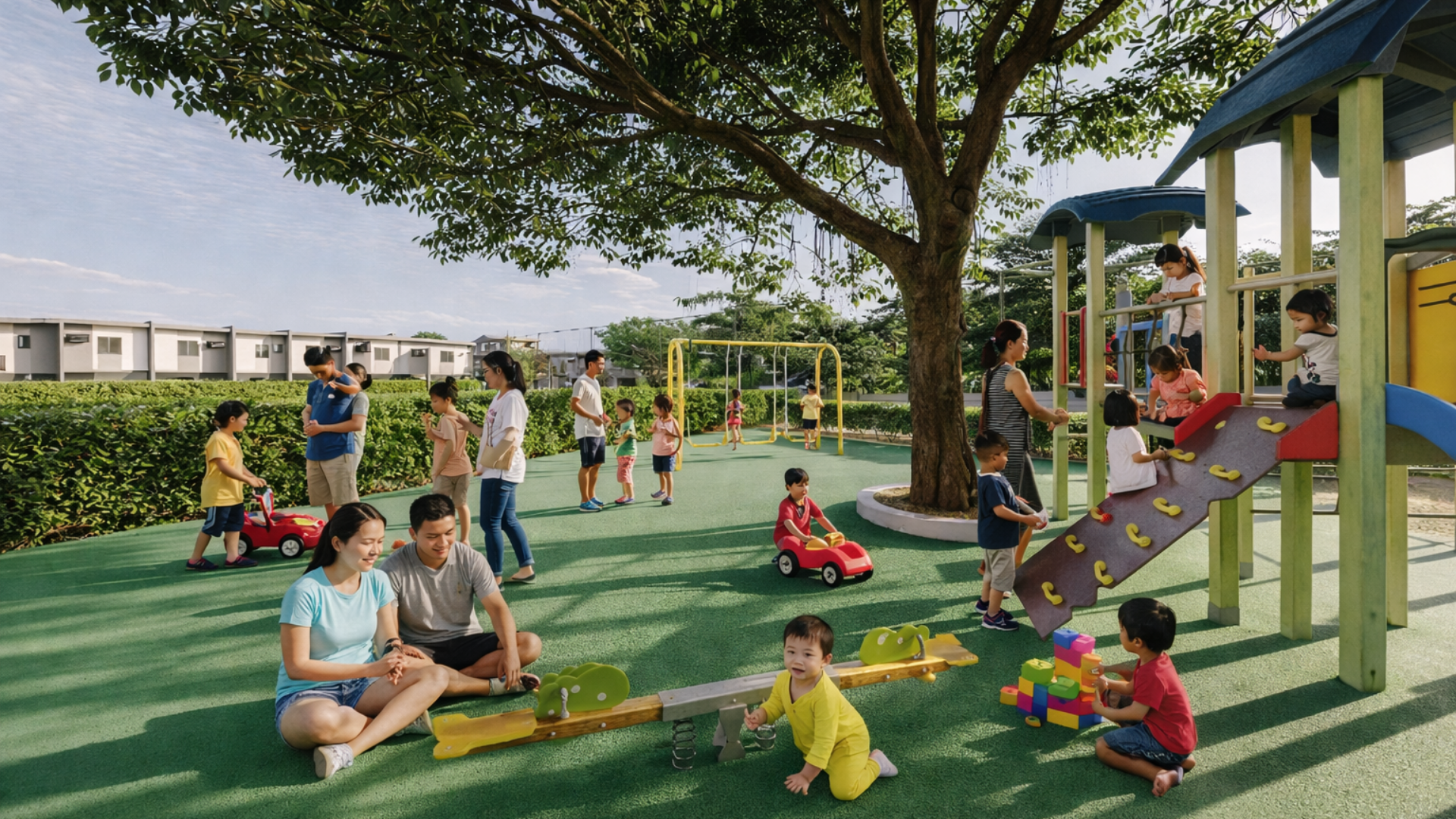
What does it mean to live a First-World life in the Philippines? For many Filipinos, it used to feel like something only possible abroad — wide roads, clean spaces, well-planned communities, and homes built to last. That idea is changing fast. More developments across Metro Manila and nearby provinces are showing that this kind of living is already here, and more within reach than most people think.
Understanding what First-World Living in the Philippines actually looks like matters now more than ever. With urbanization picking up speed and more Filipinos investing in property, knowing what sets a truly well-built community apart can make a big difference in your decision. It is not just about buying a unit. It is about choosing how you want to live.
This article breaks down what modern condo living in the Philippines looks like today, what features define a premium urban lifestyle in the country, and why the PH1 community experience stands out.
What Does First-World Living in the Philippines Look Like?
First-World Living is not just about the size of a condo unit or the number of amenities. It is about the full experience — the design of the space, how the community is managed, the quality of construction, and whether the place actually improves your daily life.
In the Philippine context, First-World Living often means having access to things like 24/7 security, reliable water and power systems, green open spaces, and facilities like gyms, pools, and co-working areas. It means building materials and finishes that hold up over time. It means a community that feels organized and intentional rather than crowded and neglected.
Modern condo living in the Philippines has been moving in this direction for the past decade. More developers are thinking about lifestyle, not just floor area. This shift is visible in how newer projects are designed — with wider hallways, better ventilation, energy-efficient features, and amenity areas that residents actually use.
Why Are Master-Planned Communities Growing in Demand?
A Community Designed as One Whole
Master-planned communities in the Philippines are gaining serious traction, and it is easy to see why. These are developments where every part of the community — from the roads to the recreational spaces to the building facades — is designed as one cohesive whole rather than put together piece by piece. The difference shows, and residents feel it from the moment they move in.
What Filipino Buyers Are Really Looking For
Nobody wants to live somewhere that feels unfinished or poorly thought out. A master-planned community gives residents a sense of order and pride in where they live. It also tends to hold its value better over time, which matters for buyers who see their home as both a living space and a long-term investment.
Filling a Real Gap in the Market
In Metro Manila and surrounding areas like Cavite and Bulacan, master-planned communities are addressing something the market has long needed. They offer the convenience of city living while giving residents actual breathing room — parks, open areas, and better air quality than a purely urban setting can provide. For families and young professionals looking to escape the density of the city without losing access to it, this balance is exactly what they are after.
A Sign of How Far Things Have Come
PH1 World Developers recently celebrated the topping-off milestone of One Lancaster Park’s Tower 1 in Imus, Cavite — a development that blends urban convenience with a natural, resort-like environment. It is the kind of milestone that reflects just how far master-planned communities in the Philippines have come, and how much more intentional residential development is becoming.
Not All Condominiums in Metro Manila Are High-End
The Real Question Behind the Price Tag
Not all condominiums in Metro Manila are high-end—and not everyone needs them to be. For many Filipino homebuyers, the real question is simple: is this condo worth what I’m paying for?
It’s a practical concern. Whether you’re a first-time buyer, a young professional, or a growing family, the goal is to find a space that fits your lifestyle and budget—not just a name or label.
What Really Makes a Condo Worth It
For mid-range condominiums, value comes down to the essentials done right.
- Location still matters most. A condo near transport hubs, workplaces, schools, and everyday establishments can save you hours of travel time and daily stress. Convenience often outweighs luxury.
- Reliable construction and maintenance are equally important. A well-built unit may not have premium finishes, but it should offer durability, safety, and minimal issues over time—helping you avoid unexpected repair costs.
- Practical amenities also add real value. While mid-end developments may not have every high-end feature, they often provide what residents actually use—such as function rooms, small fitness areas, or open spaces for relaxation.
Everyday Comfort Over Luxury Extras
Unlike high-end developments, mid-range condominiums focus less on extravagant features and more on everyday livability. You may not find rooftop lounges or expansive hotel-style pools, but you do get functional spaces designed for daily use.
These developments are built with a different goal in mind: to provide comfortable, accessible, and efficient urban living without the premium price tag. And for many buyers, that balance is exactly what makes them worth it.
Quality Moving Beyond the Traditional Corridors
Modan Lofts Ortigas Hills recently reached its own topping-off milestone in Taytay City, adding to a growing list of PH1 properties that bring this level of quality outside the traditional Makati and BGC corridors. It is a sign that first-world living is no longer limited to the most expensive addresses in the country.
How Is Contemporary Filipino Living Changing in Urban Areas?
Contemporary Filipino living in cities has shifted a lot over the past ten years. The rise of remote work, smaller households, and a younger generation of buyers has changed what people want from their homes.
Young professionals today are not just looking for a place to sleep. They want a space that supports their work-from-home setup, reflects their personal style, and gives them access to community without requiring a car. They value flexible layouts, smart storage, and buildings that have a strong sense of identity.
This is where loft-style units and thoughtfully designed compact spaces come in. Properties like My Enso Lofts and Lykke Kondo in Pasig are designed specifically for this kind of buyer — someone who wants quality and character in a smaller, more manageable space.
The Lykke Kondo project in Pasig brought in Chef Winston Luna for a community cooking event, which is a good example of how PH1 communities think about resident experience beyond just the physical space. Building a sense of community is part of the package.
What Should You Look for in a Top-Tier Urban Lifestyle Property?
Location Is Non-Negotiable
Being close to major roads, schools, hospitals, and commercial centers is not a luxury — it is a daily quality-of-life factor. A well-located property saves you time, reduces commuting stress, and holds its value better over the long term. It is the one feature no amount of amenities or interior design can compensate for if it is missing.
Construction Quality and Certifications Matter
Look for developers with a proven track record and properties that carry recognized energy-efficiency certifications. PH1 World Developers has built EDGE-certified communities in Bulacan, a globally recognized standard for resource-efficient design that gives buyers independent, third-party confirmation that the quality claims are real.
See the Amenities in Person
Do not rely on marketing materials alone. Visit the site, walk through the amenity areas, and pay attention to how well they are maintained. A clean, well-kept pool, gym, and open space tells you a lot about how a developer manages its community after the units are sold — which is often where the real difference between developers shows.
Developer Reputation Is Your Best Reference
Recognitions from PropertyGuru, DOT Property, and Real Estate Asia are not handed out lightly. PH1 World Developers has earned consistent recognition from these organizations across multiple projects and years — a track record that gives buyers a reliable basis for confidence beyond what any brochure or sales pitch can offer.
Is First-World Living in the Philippines Accessible to More Filipinos Now?
The honest answer is: it is more accessible than before, and getting more accessible every year.
There was a time when quality housing in the Philippines meant either spending enormous amounts on a high-end unit or settling for something poorly built. That gap is closing. Developers are now building properties at various price points that still maintain high construction standards and complete amenity offerings.
PH1 World Developers is active on this front. Beyond their developments in Metro Manila,Rizal, Cavite, and Bulacan, they are also involved in the National Government’s Expanded 4PH (Pambansang Pabahay para sa Pilipino) program, building affordable housing in partnership with local government units across Luzon First-World quality in housing does not have to mean unaffordable housing — that is the point. Every Filipino deserves to live somewhere that is safe, well-built, and designed with their comfort in mind.
Experience First-World Living for Yourself
PH1 World Developers has built its identity around one clear idea: Filipinos deserve to experience the kind of living standard usually associated with more developed countries, right here at home. Their portfolio — from The Hive Residences to Northscapes San Jose del Monte to One Lancaster Park — reflects this through consistent construction quality, thoughtfully maintained amenities, community programs that bring residents together, and recognition from PropertyGuru, DOT Property, Real Estate Asia, and Brand Asia across multiple projects and years.First-World Living in the Philippines is not a slogan. For communities built with the right standards, it is an everyday reality. And if you are ready to find a home that reflects that standard, explore PH1 World Developers’ full portfolio of properties and take the first step toward the life you deserve.