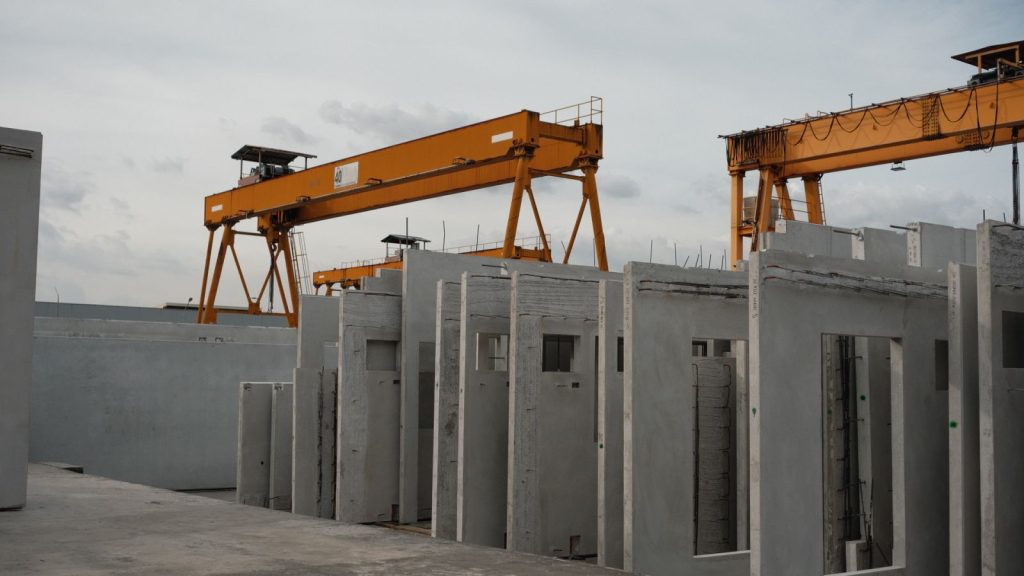
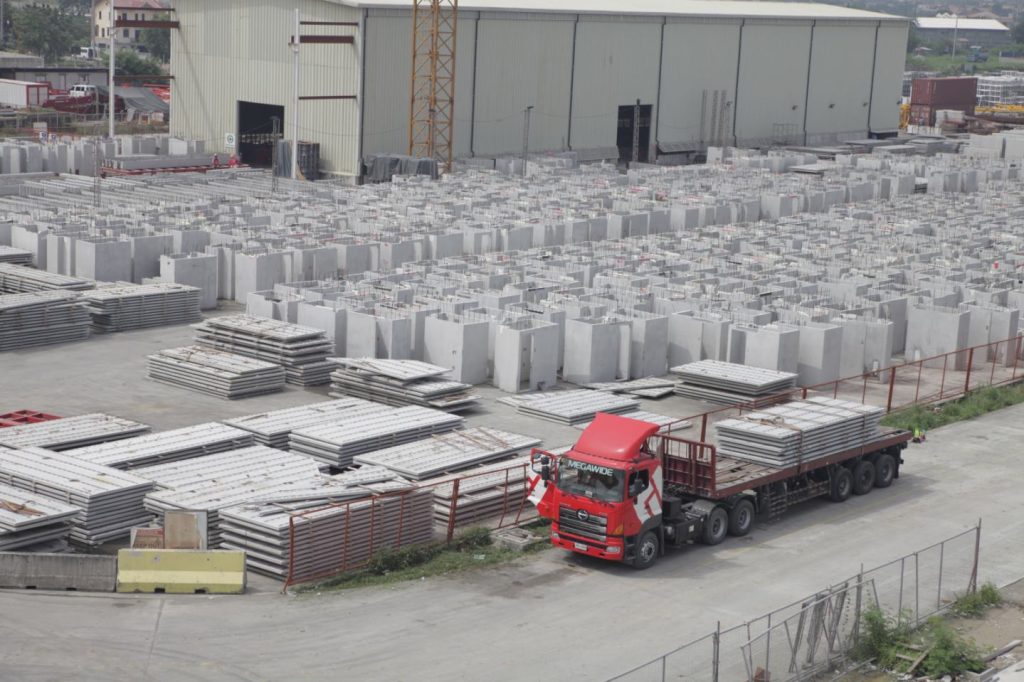
tropicool insulated walls

Insulated Walls for Homes: Why TropiCool Matters in the Philippines

tropicool insulated walls

If you have ever walked into a room in the middle of a Philippine summer and felt like you stepped into an oven, you already understand the problem. The walls of most homes in the country absorb heat all day and release it at night, making the inside feel just as hot as the outside — sometimes worse. It is one of the reasons energy-efficient home design has become one of the most talked-about priorities in Philippine real estate today.

Wall insulation changes that. And in a tropical country like the Philippines, where heat and humidity never really go away, having the right kind of insulated wall is not a luxury. It is a practical need. TropiCool, the wall insulation technology used in PH1 World Developers properties, is built specifically for conditions like ours.

This article covers what wall insulation actually does, why it matters for homes in the local setting, and how TropiCool addresses the specific challenges of tropical home insulation in the Philippines.

What Does Wall Insulation Actually Do?

Wall insulation works by slowing the transfer of heat from outside into your home, helping keep indoor spaces cooler during the day and more stable at night. By acting as a barrier against heat, it reduces the need for constant air conditioning—lowering energy use and helping cut electricity costs, especially in hot climates where cooling systems consume a significant portion of household power.

Why Is Thermal Comfort So Hard to Achieve in the Philippines?

The Philippines sits in the tropical zone, which means two things: intense solar radiation and high humidity almost year-round. Most standard construction materials — hollow blocks, concrete, and thin plywood — are not designed to resist heat transfer. They are chosen for their strength and cost, not their thermal properties. This is why so many Filipino homes feel stuffy and uncomfortable even with the windows open.

Humidity makes it worse. When moisture builds up inside walls, it can cause mold, weaken the structure over time, and make indoor air feel heavy and hard to breathe. Keeping a home comfortable in the Philippines means dealing with both heat and moisture at the same time — and most affordable and mid-range housing projects in the country have not fully addressed either one.

At its core, this is a design and materials problem. And until builders start treating thermal performance as a basic requirement rather than an optional upgrade, Filipino homeowners will keep paying for it — in electricity bills, in discomfort, and in the long-term condition of their homes.

What Makes TropiCool Different?

TropiCool is PH1 World Developers’ answer to this specific challenge. It is a thermal wall system built for tropical conditions, not adapted from a technology designed for colder climates.

Here is what sets it apart for tropical home insulation in the Philippines:

  • It reflects heat before it enters. TropiCool uses materials that reflect radiant heat away from the wall surface. This is especially important in the Philippines where the sun hits walls directly for several hours a day.
  • It manages moisture. The system is designed to prevent moisture buildup inside the wall, which directly addresses humidity control for houses in a tropical climate. This reduces the risk of mold and improves the air quality inside the home.
  • It works with, not against, natural ventilation. Unlike full insulation systems designed for cold climates that seal everything shut, TropiCool is built to allow homes to breathe. This matters in the Philippine context where natural air circulation is part of how homes stay livable.
  • It reduces dependence on air conditioning. Because the walls do more of the work in keeping heat out, residents do not need to run their AC as long or as cold. This supports local energy-efficient homes by cutting electricity consumption at the source.

How Does This Affect Your Daily Life?

Picture a Typical Summer Morning

Imagine waking up on a Tuesday morning in May — peak summer — and your room does feel like a sauna. You step out of bed and the floor is not radiating heat upward. You open the window and there is a cross breeze that actually feels refreshing, because the walls around you are not trapping and releasing stored heat. That is what heat-resistant walls are supposed to do. Not just make your home more comfortable, but change how you experience the space entirely.

For Families, It Goes Beyond Comfort

For households with young children or elderly members, this matters even more. Heat stress is a real health concern in the Philippines. The Philippine Atmospheric, Geophysical and Astronomical Services Administration (PAGASA) has been issuing increasingly serious heat index warnings in recent years, with some areas recording apparent temperatures above 42°C during summer months.

A Cooler Home Is a Safer Home

A home with proper wall insulation is not just more comfortable — it is safer. When the walls around you are not constantly absorbing and releasing heat, the entire living environment becomes easier on the body, especially for those most vulnerable to the effects of extreme heat.

Are Energy-Efficient Homes in the Philippines Worth the Cost?

This is the question most homebuyers ask, and it is a fair one. The upfront investment in better materials and construction technology is real — but so is the long-term return. Consider this: a typical Filipino household with an air conditioner running for 8 hours a day during summer months spends a significant amount on electricity. Reducing that run time by even two to three hours per day translates to thousands of pesos in savings per year. Over the life of a home loan, that adds up quickly.

PH1 World Developers has already backed this up with action. The company secured funding specifically for its energy-efficient community offerings, reflecting real institutional confidence in the long-term value of building homes that cost less to live in. Projects like Northscapes San Jose del Monte were built as the first energy-efficient community in their area — proving that this is not just a marketing promise but something built into the structure of the development itself.

The recognition has followed. PH1 World Developers’ EDGE-certified homes in Bulacan have earned formal certification for their energy and environmental performance, giving buyers an independent, third-party confirmation that the efficiency claims are real — not just something printed on a brochure.

What Should Filipino Homebuyers Consider?

Thermal Comfort Should Be on Your Checklist

If you are buying or planning to buy a home in the Philippines, thermal comfort should be one of your priorities — not an afterthought. The good news is that finding out whether a development takes it seriously does not require a technical background. It just requires asking the right questions.

The Questions Worth Asking

Before committing to a property, find out:

  • Does the development use a thermal wall system or standard hollow block construction?
  • Is there a moisture barrier built into the wall design?
  • Has the project received any energy efficiency certification?
  • What are the estimated electricity savings compared to a standard unit?

What the Answers Tell You

These are not complicated questions, but they reveal a lot about how seriously a developer takes livable design. A developer who can answer them clearly and confidently is one who has actually thought about what it feels like to live in their homes — not just what they look like on a brochure.

The Bigger Picture: Properties for the Philippine Climate

The Philippine construction industry has long borrowed building standards from temperate countries — but our climate, our summers, and our humidity are a different story entirely. TropiCool represents a shift in how residential development can work here. It treats the heat and humidity of our environment not as problems to work around, but as conditions to design for. That is a meaningful difference for anyone who plans to actually live in a home for years, not just buy it as an investment.

If you want a home that stays cooler, costs less to cool, and was built with the Philippine climate in mind from the ground up, explore what PH1 World Developers has to offer across our property developments. From Northscapes in Bulacan to Southscapes in Cavite, these communities are built with real thermal comfort — not just good-looking amenities.

first world living philippines

First-World Living in the Philippines: The PH1 Community Experience

first world living philippines

What does it mean to live a First-World life in the Philippines? For many Filipinos, it used to feel like something only possible abroad — wide roads, clean spaces, well-planned communities, and homes built to last. That idea is changing fast. More developments across Metro Manila and nearby provinces are showing that this kind of living is already here, and more within reach than most people think.

Understanding what First-World Living in the Philippines actually looks like matters now more than ever. With urbanization picking up speed and more Filipinos investing in property, knowing what sets a truly well-built community apart can make a big difference in your decision. It is not just about buying a unit. It is about choosing how you want to live.

This article breaks down what modern condo living in the Philippines looks like today, what features define a premium urban lifestyle in the country, and why the PH1 community experience stands out.

What Does First-World Living in the Philippines Look Like?

First-World Living is not just about the size of a condo unit or the number of amenities. It is about the full experience — the design of the space, how the community is managed, the quality of construction, and whether the place actually improves your daily life.
In the Philippine context, First-World Living often means having access to things like 24/7 security, reliable water and power systems, green open spaces, and facilities like gyms, pools, and co-working areas. It means building materials and finishes that hold up over time. It means a community that feels organized and intentional rather than crowded and neglected.

Modern condo living in the Philippines has been moving in this direction for the past decade. More developers are thinking about lifestyle, not just floor area. This shift is visible in how newer projects are designed — with wider hallways, better ventilation, energy-efficient features, and amenity areas that residents actually use.

Why Are Master-Planned Communities Growing in Demand?

A Community Designed as One Whole

Master-planned communities in the Philippines are gaining serious traction, and it is easy to see why. These are developments where every part of the community — from the roads to the recreational spaces to the building facades — is designed as one cohesive whole rather than put together piece by piece. The difference shows, and residents feel it from the moment they move in.

What Filipino Buyers Are Really Looking For

Nobody wants to live somewhere that feels unfinished or poorly thought out. A master-planned community gives residents a sense of order and pride in where they live. It also tends to hold its value better over time, which matters for buyers who see their home as both a living space and a long-term investment.

Filling a Real Gap in the Market

In Metro Manila and surrounding areas like Cavite and Bulacan, master-planned communities are addressing something the market has long needed. They offer the convenience of city living while giving residents actual breathing room — parks, open areas, and better air quality than a purely urban setting can provide. For families and young professionals looking to escape the density of the city without losing access to it, this balance is exactly what they are after.

A Sign of How Far Things Have Come

PH1 World Developers recently celebrated the topping-off milestone of One Lancaster Park’s Tower 1 in Imus, Cavite — a development that blends urban convenience with a natural, resort-like environment. It is the kind of milestone that reflects just how far master-planned communities in the Philippines have come, and how much more intentional residential development is becoming.

Not All Condominiums in Metro Manila Are High-End

The Real Question Behind the Price Tag

Not all condominiums in Metro Manila are high-end—and not everyone needs them to be. For many Filipino homebuyers, the real question is simple: is this condo worth what I’m paying for?

It’s a practical concern. Whether you’re a first-time buyer, a young professional, or a growing family, the goal is to find a space that fits your lifestyle and budget—not just a name or label. 

What Really Makes a Condo Worth It

For mid-range condominiums, value comes down to the essentials done right.

  • Location still matters most. A condo near transport hubs, workplaces, schools, and everyday establishments can save you hours of travel time and daily stress. Convenience often outweighs luxury.
  • Reliable construction and maintenance are equally important. A well-built unit may not have premium finishes, but it should offer durability, safety, and minimal issues over time—helping you avoid unexpected repair costs.
  • Practical amenities also add real value. While mid-end developments may not have every high-end feature, they often provide what residents actually use—such as function rooms, small fitness areas, or open spaces for relaxation.

Everyday Comfort Over Luxury Extras

Unlike high-end developments, mid-range condominiums focus less on extravagant features and more on everyday livability. You may not find rooftop lounges or expansive hotel-style pools, but you do get functional spaces designed for daily use.

These developments are built with a different goal in mind: to provide comfortable, accessible, and efficient urban living without the premium price tag. And for many buyers, that balance is exactly what makes them worth it.

Quality Moving Beyond the Traditional Corridors

Modan Lofts Ortigas Hills recently reached its own topping-off milestone in Taytay City, adding to a growing list of PH1 properties that bring this level of quality outside the traditional Makati and BGC corridors. It is a sign that first-world living is no longer limited to the most expensive addresses in the country.

How Is Contemporary Filipino Living Changing in Urban Areas?

Contemporary Filipino living in cities has shifted a lot over the past ten years. The rise of remote work, smaller households, and a younger generation of buyers has changed what people want from their homes.

Young professionals today are not just looking for a place to sleep. They want a space that supports their work-from-home setup, reflects their personal style, and gives them access to community without requiring a car. They value flexible layouts, smart storage, and buildings that have a strong sense of identity.

This is where loft-style units and thoughtfully designed compact spaces come in. Properties like My Enso Lofts and Lykke Kondo in Pasig are designed specifically for this kind of buyer — someone who wants quality and character in a smaller, more manageable space.

The Lykke Kondo project in Pasig brought in Chef Winston Luna for a community cooking event, which is a good example of how PH1 communities think about resident experience beyond just the physical space. Building a sense of community is part of the package.

What Should You Look for in a Top-Tier Urban Lifestyle Property?

Location Is Non-Negotiable

Being close to major roads, schools, hospitals, and commercial centers is not a luxury — it is a daily quality-of-life factor. A well-located property saves you time, reduces commuting stress, and holds its value better over the long term. It is the one feature no amount of amenities or interior design can compensate for if it is missing.

Construction Quality and Certifications Matter

Look for developers with a proven track record and properties that carry recognized energy-efficiency certifications. PH1 World Developers has built EDGE-certified communities in Bulacan, a globally recognized standard for resource-efficient design that gives buyers independent, third-party confirmation that the quality claims are real.

See the Amenities in Person

Do not rely on marketing materials alone. Visit the site, walk through the amenity areas, and pay attention to how well they are maintained. A clean, well-kept pool, gym, and open space tells you a lot about how a developer manages its community after the units are sold — which is often where the real difference between developers shows.

Developer Reputation Is Your Best Reference

Recognitions from PropertyGuru, DOT Property, and Real Estate Asia are not handed out lightly. PH1 World Developers has earned consistent recognition from these organizations across multiple projects and years — a track record that gives buyers a reliable basis for confidence beyond what any brochure or sales pitch can offer.

Is First-World Living in the Philippines Accessible to More Filipinos Now?

The honest answer is: it is more accessible than before, and getting more accessible every year.

There was a time when quality housing in the Philippines meant either spending enormous amounts on a high-end unit or settling for something poorly built. That gap is closing. Developers are now building properties at various price points that still maintain high construction standards and complete amenity offerings.

PH1 World Developers is active on this front. Beyond their developments in Metro Manila,Rizal, Cavite, and Bulacan, they are also involved in the National Government’s Expanded 4PH (Pambansang Pabahay para sa Pilipino) program, building affordable housing in partnership with local government units  across Luzon First-World quality in housing does not have to mean unaffordable housing — that is the point. Every Filipino deserves to live somewhere that is safe, well-built, and designed with their comfort in mind.

Experience First-World Living for Yourself

PH1 World Developers has built its identity around one clear idea: Filipinos deserve to experience the kind of living standard usually associated with more developed countries, right here at home. Their portfolio — from The Hive Residences to Northscapes San Jose del Monte to One Lancaster Park — reflects this through consistent construction quality, thoughtfully maintained amenities, community programs that bring residents together, and recognition from PropertyGuru, DOT Property, Real Estate Asia, and Brand Asia across multiple projects and years.First-World Living in the Philippines is not a slogan. For communities built with the right standards, it is an everyday reality. And if you are ready to find a home that reflects that standard, explore PH1 World Developers’ full portfolio of properties and take the first step toward the life you deserve.

Cooler Homes, Lower Bills: The Innovation of Thermal Wall Insulation with TropiCool

Living in the Philippines means dealing with heat almost every single day. From March to May, temperatures can climb past 36°C in many parts of the country, and even outside of summer, the humidity alone makes indoor spaces feel like an oven. Most Filipino households rely on air conditioning to survive the heat, but that comes with a heavy cost on the monthly electricity bill.

This is where thermal wall insulation comes in. It is one of the most practical answers to the heat problem in Filipino homes today, and TropiCool is leading the way in making it available in local real estate developments. In fact, PH1 World Developers has already demonstrated this commitment — the company secured funding specifically for its first energy-efficient community offering, signaling that sustainable, heat-ready homes are no longer a luxury but a standard worth investing in. Understanding how this technology works and why it matters can help you make a smarter decision when buying or upgrading a home.

What Is Thermal Wall Insulation?

Thermal wall insulation is a material built into or applied to the walls of a home to slow down the transfer of heat. Think of it like a thermos bottle. The insulation layer keeps the heat outside from getting in, and keeps the cooler air inside from escaping.

Without it, the walls of your home absorb heat from the sun and slowly release it into your living space. This is called thermal mass transfer, and it is one of the main reasons homes feel hot even at night, long after the sun has gone down.

With proper wall insulation, less heat enters the home. Your aircon does not have to work as hard. The indoor temperature stays more manageable, even with less cooling running.

Why Does This Matter So Much in the Philippines?

The Philippines sits near the equator, which means direct and intense sunlight for most of the year. According to the Philippine Atmospheric, Geophysical and Astronomical Services Administration (PAGASA), the country regularly experiences heat index levels that exceed 40°C during the dry season. Cities like Metro Manila, Cebu, and Davao face this kind of heat across many months.

For most Filipino families, air conditioning already accounts for 40 to 60 percent of their total electricity consumption. The rising cost of electricity from distribution utilities like Meralco only makes this worse. When you live in a home that is not built for heat reduction, you are paying more every month just to stay comfortable.

This is why climate-smart housing in the Philippines is no longer just a luxury feature. It is becoming a basic need.

How Does TropiCool Work?

A System Built for the Tropics

TropiCool is a thermal wall insulation system designed specifically for the tropical climate in Southeast Asia. Unlike generic insulation products built for colder climates, TropiCool addresses the unique challenge of sustained heat and humidity that Filipino homeowners face year-round.

The Science Behind the Cool

It works by adding an insulating layer to the wall assembly of a home. This layer reduces the amount of heat that passes through the wall and into your living space — acting as a barrier that slows down heat transfer before it even reaches the interior of your home.

Less Aircon, Lower Bills

The result is a home that stays cooler naturally. You still need aircon, but you use it less often and at a less aggressive setting. Over time, this lowers your electricity consumption and reduces wear on your aircon unit, saving you money on both your monthly bill and long-term maintenance costs.

More Than Just a Coating

TropiCool is not just paint or a surface coating. It is a building system that works at the structural level of the wall, making it a long-term passive cooling solution rather than a quick fix. This distinction matters because it means the benefits are lasting, consistent, and built into the home itself — not something that fades or wears off over time.

What Is the Difference Between Passive and Active Cooling?

Active cooling means using machines to cool your home, like air conditioners and electric fans. These systems cost money to run and require maintenance.

Passive cooling means using the design of the building itself to stay cool without electricity. This includes proper ventilation, shading, roof overhangs, and wall insulation.

Thermal wall insulation is a passive cooling system. It does not need power to work. Once it is part of your walls, it quietly does its job around the clock. When you combine it with good ventilation design, the indoor temperature of your home can be several degrees lower than homes without insulation, even before you switch on a single appliance.

This matters most for energy-efficient home cooling because the less work your aircon needs to do, the less electricity you use.

How Much Can You Actually Save on Electricity?

The answer depends on the size of your home, how often you use aircon, and your local electricity rate. But independent energy studies on residential insulation in tropical climates consistently show that wall insulation can reduce cooling energy use by 20 to 40 percent.

In practical terms, if your household currently spends PHP 5,000 a month on electricity and half of that is aircon, insulation could reduce your aircon cost by PHP 500 to PHP 1,000 per month. Over a year, that is PHP 6,000 to PHP 12,000 in savings, and more as electricity rates continue to rise.

For Filipino families watching their budgets closely, that kind of aircon cost reduction is very meaningful.

Is Thermal Wall Insulation Worth It for a New Home?

Yes, especially when it is built into the home from the start rather than added later. Retrofitting insulation into an existing home is possible but more expensive and disruptive. When a developer includes it in the construction of a new home, the cost is spread across the entire project and absorbed into the purchase price at a far more efficient rate.

This is exactly what PH1 World Developers has done with TropiCool insulation in their residential communities. Rather than leaving homeowners to figure out energy efficiency on their own, the feature is already part of the home when you move in.

PH1 World Developers has shown a consistent commitment to this approach. The company secured funding for its first energy-efficient community offering back in 2024, making it the first developer to bring this level of climate-smart design to the affordable and mid-market housing segments in the Philippines.

Their Northscapes San Jose del Monte development was also recognized for its energy-efficient housing solutions, a milestone that shows the market is responding positively to homes designed for tropical heat protection.

What Makes a Home Truly Summer-Ready in the Philippines?

It Takes More Than Just Aircon

A summer-ready home needs more than a good aircon unit. It needs features that actually work together to keep the heat out before it even gets inside.

The Elements That Work Together

Thermal wall insulation is one piece of the puzzle. But it works best alongside other things like a roof with enough overhang to block the sun, windows placed to avoid direct heat exposure, good airflow throughout the house, and materials that don’t trap heat the way old-school concrete construction does.

When the Home Becomes the Cooling System

When all of this comes together, the house itself becomes part of the cooling system. You spend less on electricity, your aircon doesn’t have to work as hard, and the whole space just feels more livable — even on the hottest days.

What Climate-Smart Housing Really Means

This is what climate-smart housing in the Philippines looks like in practice. It is not just about solar panels or fancy gadgets. It is about building homes that are smart about the local climate from the ground up — homes designed with the local climate, heat, and humidity in mind at every stage of construction.

Why Are More Developers Starting to Take This Seriously?

The demand for energy-efficient homes in the Philippines has grown significantly in recent years. Buyers are more aware of their electricity costs and more concerned about long-term living expenses. At the same time, the Department of Energy and various green building groups in the country have been pushing for energy codes that encourage better insulation and thermal performance in residential buildings.

PH1 World Developers was among the first in the Philippines to take this seriously at scale. Their developments have earned recognition from PropertyGuru, Dot Property Philippines, and other award-giving bodies specifically for their forward-thinking approach to residential design. You can read more about how PH1 World Developers sets the standard for first-world living in the Philippines, including how their communities are designed to address real daily challenges like heat and high electricity bills.

Exploring TropiCool in PH1 World Developments

TropiCool thermal wall insulation is part of the energy-efficient building system that PH1 World Developers has been rolling out across its residential portfolio. Their horizontal communities, like Northscapes San Jose del Monte and Southscapes Trece Martires, are built with this kind of thermal protection in mind — giving residents a cooler, more comfortable home from day one without the heavy electricity bill to match.

The heat in the Philippines is not going away, but the way we build homes to handle it is getting smarter. If you are looking for a property designed for the Philippine climate, explore PH1 World Developers’ residential communities and find the development that fits your budget and lifestyle.

PH1 World Developers Races to Greatness in the Extraordinaires 2026

PH1 World Developers proudly celebrated their Extraordinaires for 2026—a night of glamour and recognition held at the Marquis Events Place in Bonifacio Global City on March 24, 2026. This highly anticipated event serves as a celebration of the collective hard work, resilience, and dedication demonstrated by the entire Sales Team throughout 2025. Their unwavering commitment enabled the company to close the year with an impressive Php 5.2 Bn in total sales, a milestone that reflects not only individual excellence but also strong collaboration and strategic work across all units of the company.  

In photo: Ms. Gilda G. Alcantara (President, PH1 World Developers)

PH1 World Developers’ President, Ms. Gigi Alcantara, emphasized in her speech that the Sales Team must embody key values that will allow them to maximize not only the numbers they deliver, but also their full potential as sellers. Drawing from the symbol of the Fire Horse—reminding the Sales team to gallop forward with desire, excitement, and a hunger for success. 

In photo: Ms. Amy Rose Tagalicud (Vice-President for Sales, PH1 World Developers) 

The celebration continued with a message from Vice-President for Sales, Ms. Amy Rose Tagalicud, who thanked the Sales Team for their dedication and drive toward greatness in 2026. Her message energized the team as the program moved to one of the night’s highlights—the awarding of the The Extraordinaire (Top Sales Awardee). The event brought together everyone who contributed to PH1 World Developers’ sales success, including partners from the Brokers Network such as Global Strategy Real Estate, who were recognized for their achievements across several developments. 

In photo: Broker Network (Partners from Global Strategy Real Estate) 

The Extraordinaires were rewarded with extraordinary incentives with trips to Japan and Spain, marking a thrilling start to another year of excellence. 

Nation Building, One Home at a Time: Expanded 4PH Salinas-Bacoor Showroom Blessing

On March 6, 2026,PH1 World Developers marked a new milestone in nation-building with the grand launch and blessing of our Expanded 4PH showroom in Salinas-Bacoor. This event was more than just an opening; it was a mark of our commitment to making all Filipinos experience First-World Living. 

The event was joined by Bacoor’s Local Government Unit, including Hon. Mayor Strike Revilla and Vice-Mayor Rowena Bautista-Mendiola, alongside dedicated representatives from DHSUD and Pag-IBIG—underscoring the shared commitment to providing quality and affordable housing for every Filipino family. 

Leading the charge from the Megawide Group and PH1 World Developers were Mr. Edgar Saavedra (Megawide Group CEO), Mr. Jaime Feliciano (Megawide Group Chief Business Development Officer), and Ms. Gigi Alcantara (PH1 World Developers President). Together with our city councilors and barangay captains, we are proving that when we align our goals, we don’t just make homes—we build communities and fuel the Filipino dream. 

Metro and Nature Unite as Tower 1 Celebrates Its Topping-Off Milestone

On February 26, One Lancaster Park marked a significant milestone as Tower 1 reached its structural completion, signaling steady progress in the development of the 10-hectare Metro and Nature community in Imus, Cavite.  

This achievement reflects the project’s growing momentum and brings future residents one step closer to experiencing Metro and Nature in one. The Topping-Off Ceremony was graced by the PH1 Management Team, representatives from Megawide Construction Corp., and the dedicated members of the OLP Team. Their presence underscored the strong collaboration and shared commitment behind the project. 

More than a construction milestone, this moment stands as a testament to the collective effort, perseverance, and expertise poured for the first step to success. From overcoming challenges to celebrating each stage of progress, the journey toward bringing Metro and Nature to life continues to highlight PH1 World Developers’ mission to offer a true First-World Living experience for Filipino families in the South. 

Filipino Dream Moves Forward with PH1 World & Bacoor LGU DOAS Signing for 4PH Salinas  

Today, January 26, 2026, PH1 World Developers and the Bacoor City LGU conducted a Deed of Absolute Sale (DOAS) signing at the Bacoor City Hall’s Multipurpose Hall. According to Mayor Strike B. Revilla, this signing ceremony and partnership with PH1 World Landscapes Inc. is an assurance to the Bacooreños that they will not just receive housing, rather they will receive housing that is of good quality, great value, and of a higher standard. 

“ [Makakapagbigay] tayo ng maayos, maaliwalas, higher standard, higher level [na pabahay]… yung thinking mo ay nasa Metro Manila ka, pero sa mas mababang presyo at mas marami tayong matutulungan na Caviteño.” – Hon. Mayor Strike B. Revilla

City Committee Chairman on Housing, Land Utilization, and Urban Development OIC Hon. Horacio Brillantes also shared how the signing ceremony is a symbolical step in providing Bacooreños and Caviteños their dream homes. 

“Ang bentahan na ito [sa pagitan ng Bacoor LGU at PH1 World Landscapes] ay simbolo ng makubuluhang hakbang sa pagsisikap na matugunan ang pangangailangan sa disenteng permanenteng tirahan… Ang housing projects sa kasalukuyan ang top priority ng ating gobyerno” – Committee Chair on Housing, Land Utilization, and Urban Development OIC Coun. Horacio Brillantes 

During the DOAS Signing, PH1 President Gigi Alcantara also unveiled the project’s master plan—featuring four residential towers with a total of 2,040 units, designed to serve more than 2,040 individuals. The development will include key amenities such as a basketball court, landscaped open spaces, and a multipurpose community hall, reinforcing PH1WD’s commitment to delivering First‑World Living to Filipinos. 

“Layunin namin sa PH1 na iparanas ang First-World Living Experience…Hindi lang basta tirahan, ngunit isang dekalidad at nasa abot-kayang halaga[ng tirahan].” 

The event was also attended by Vice Mayor Rowena Bautista-Mendiola, City Administrator Atty. Aimee Torrefranca-Neri, the entire Bacoor City Council and SK Chairman, along with PH1 World’s Head of Design & Construction, Mr. Charles Perri Hari and Accounts Management Head, Ms. Rowelyn Merencillo who assured that construction of 4PH Salinas-Bacoor will surely begin by February 2026.

Modan Lofts Ortigas Hills Topping Off ceremony crowns the Taytay City skyline

The Topping Off ceremony of the Tower 1 of Modan Lofts Ortigas Hills was held on November 19, 2025, marking a major milestone in bringing First-World Living to life. As construction reaches its structural peak, Modan Lofts moves closer to welcoming future homeowners into a community designed for First-World Living. 

In photo: (L to R) Michele Zabal, Amy Tagalicud, Gigi “GGA” Alcantara, Frederick Tan, Chito Bilog, and JR Ramos

The ceremony was officially opened by PH1 World Developers’ President, Ms. Gigi “GGA” Alcantara, alongside the entire PH1 team. Representing their partner, Megawide Construction Corporation (MCC), were Mr. Frederick Tan, MCC Chief Operating Officer, and Mr. Chito Bilog, MCC Project Manager. Their joint attendance highlighted the success of Modan Lofts Ortigas Hills and with this milestone secured, Modan Lofts moves visibly closer to welcoming homeowners into a First-World Living community that blends the convenience of urban proximity with the breathing space and scenic views of the Taytay hillside. 

Cooking Up Happiness with Chef Winston Luna at Lykke Kondo

Lykke Kondo recently turned up the heat as celebrity Chef Winston Luna took over the model unit’s kitchen last October 26. The exclusive cooking event showcased the seamless functionality and modern design of Lykke’s kitchen-proving it’s more than just a space, but a place where everyday living becomes a flavorful experience. Guests got a taste of what it’s like to cook, dine, and live happily at Lykke.